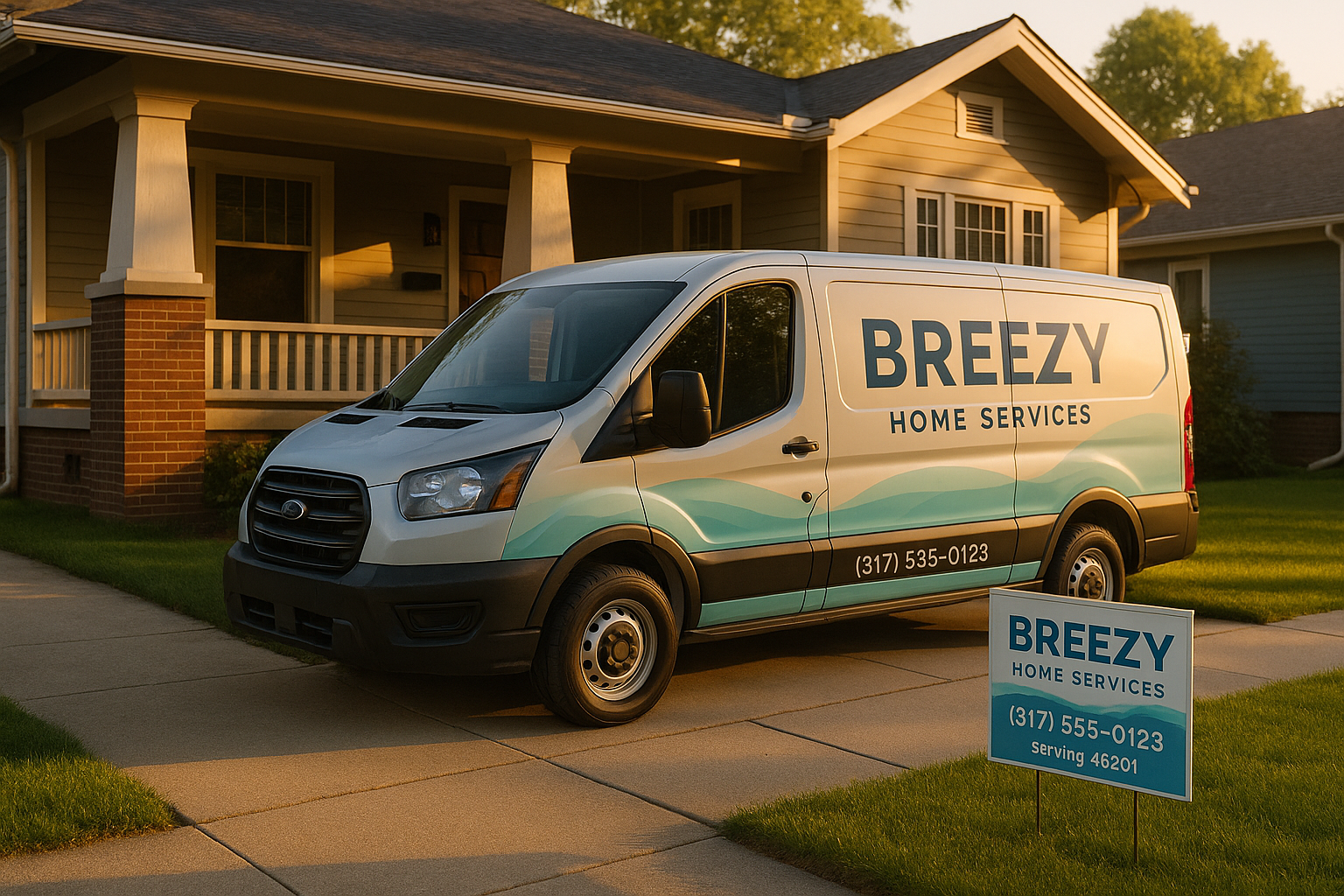
Last spring, I sat across from a guy who runs a three-truck HVAC shop out of Lawrence. He was frustrated. “We tried blogging once,” he said, tossing a half-eaten donut onto the plate. “Paid some freelancer to write about air conditioners, posted it, and nothing happened. No calls. Not even a comment.” I see this all the time. It’s not that content doesn’t work for local service businesses—it’s that most folks jump in without a plan that matches how people actually search for a roofer in Fishers or a landscaper near Broad Ripple. This post is for you if you’ve ever wondered whether content marketing for local service business is worth your time. (It is.) But you need a system that fits your crew, your suburbs, and your busy season—not some bloated agency playbook.
What content marketing actually means when your customers are next door
For a local service business, content marketing isn’t about going viral or chasing national keywords. It’s about showing up when someone in Greenwood types “does my roof have hail damage” or a homeowner in Zionsville searches “best way to fix a soggy basement floor.” You’re building trust on their turf, answering the questions they actually ask, and gently guiding them toward a request for a quote.
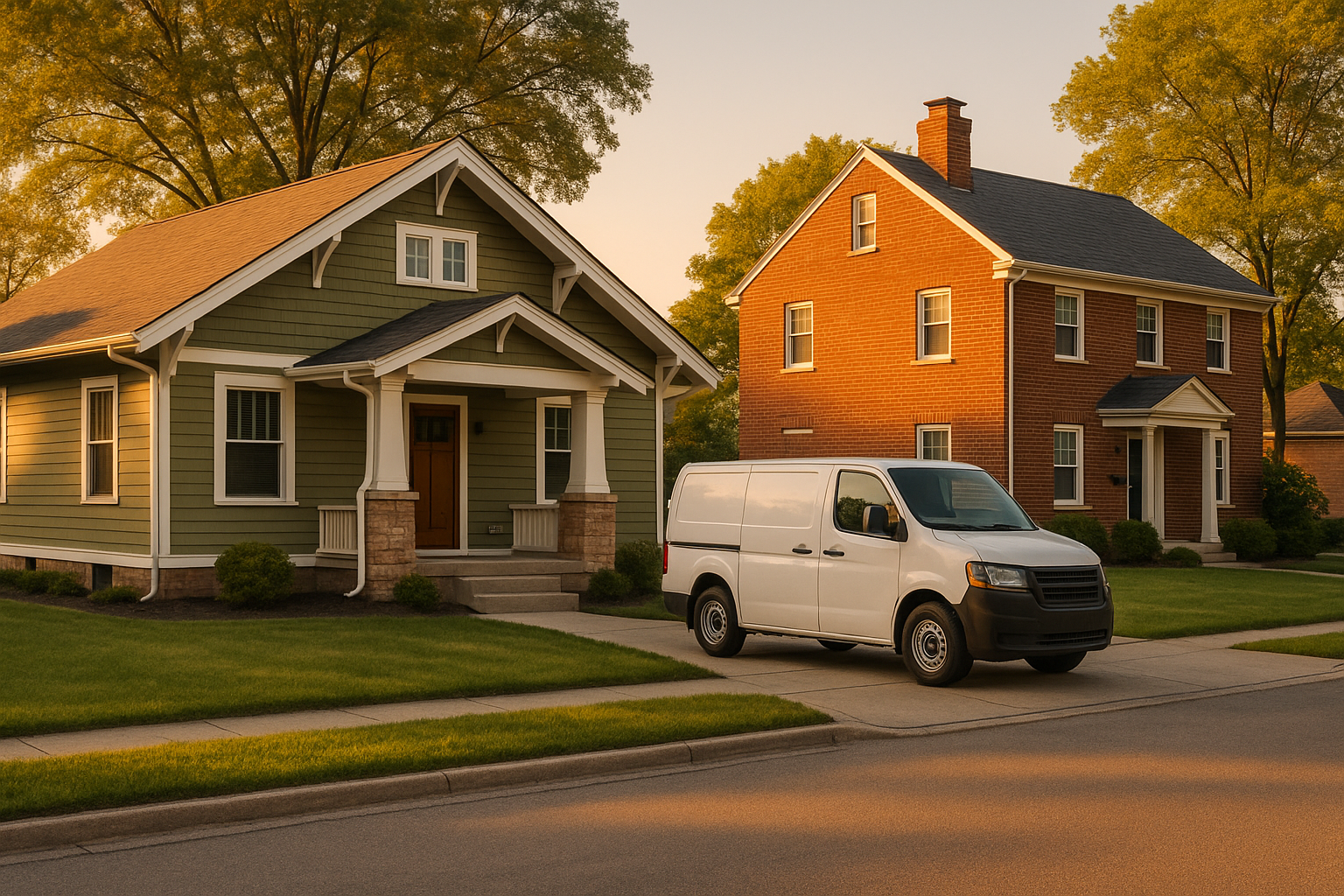
National brands can afford to spray content everywhere and hope something sticks. You can’t. Your radius probably covers a 20- or 30-minute drive from the shop, so every piece you create should feel like it was written for the streets you actually drive. That means mentioning neighborhoods, weather triggers, and the specific quirks of Indy-area homes—like clay soils that swell and shrink, or the freeze-thaw cycles that tear up older asphalt driveways in Meridian-Kessler.
Build a plan before you publish a single sentence
I’ve watched too many owners open a blank doc, write “10 tips for a clean house,” and call it a day. That’s not a strategy—it’s a time-waster. A useful local content strategy starts with a notebook, not a keyboard. Jot down your core services, then the neighborhoods you actually want more work from. Carmel, Fishers, Westfield, Noblesville, Irvington—draw a circle around ’em. For each service and suburb, think about what a homeowner might ask six months before they’d ever call you. Those are your topics.
This is also where you cluster keywords without sounding like a robot. Pair “roof repair” with “in Fishers” or “deck staining” with “near Geist Reservoir” organically, just like a human would say it. No one searches “Deck staining Indianapolis premium provider,” so don’t write that. Google’s smart enough to connect the dots when your pages are genuinely helpful and location-rich.
The pages and posts that actually bring in leads
When we audit a contractor’s site, we often find five service pages, a generic contact form, and a blog with three posts from 2019. That won’t cut it. The pages that convert are the ones that match a homeowner’s buying stage:
- Awareness: Seasonal checklists—like “Spring gutter cleanout checklist for Westfield homes” or “Why your basement feels damp in July.” These pull in early-stage browsers who aren’t ready to hire but will remember you when the problem gets worse.
- Consideration: Comparison guides and “what to expect” pieces. For example, “Asphalt vs. fiber-cement roofing: what lasts longer in Indiana weather.” A plumber might write “Tankless water heater cost in Indianapolis: what you’ll really pay.” These posts help homeowners weigh options and see you as the straight-talker.
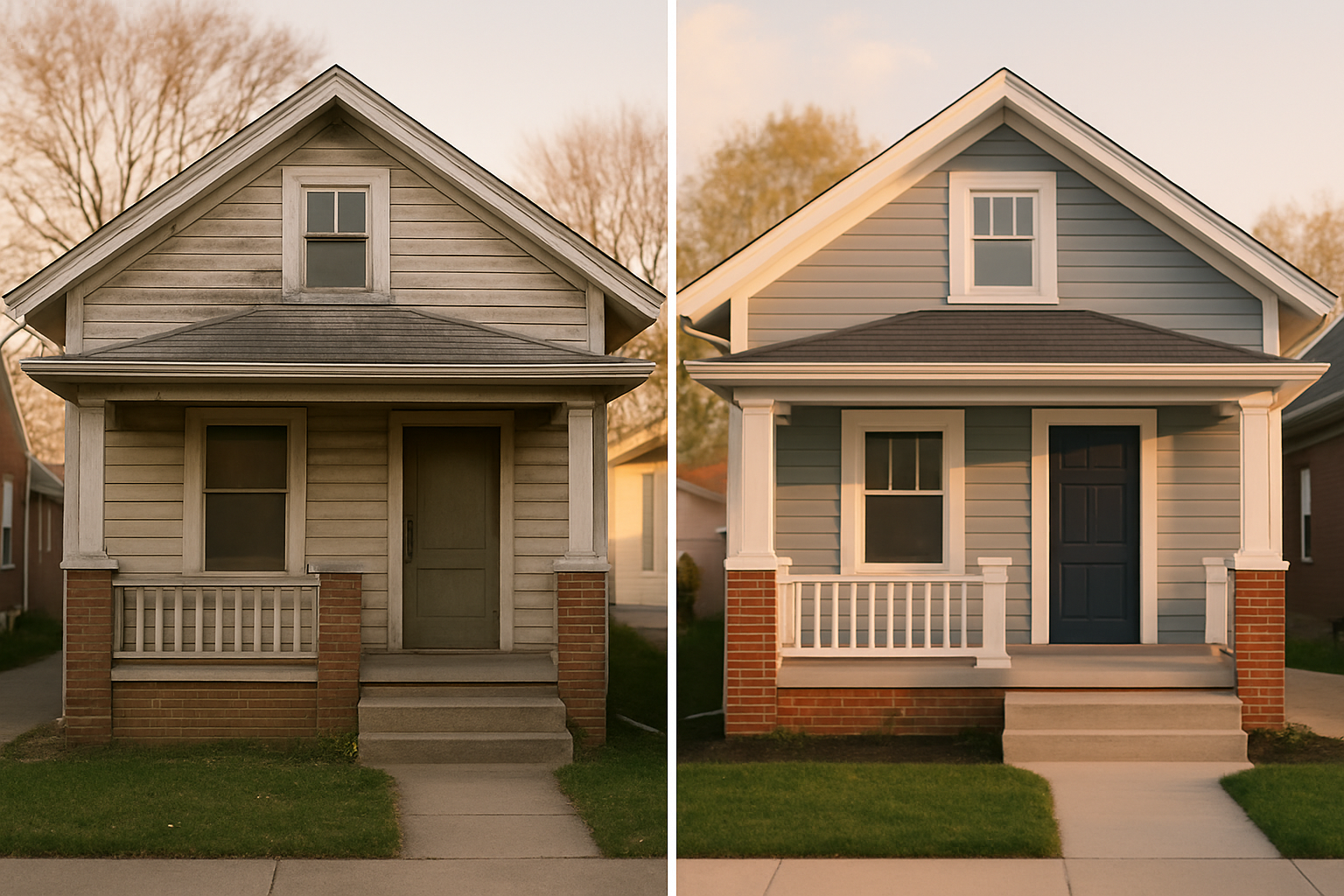
- Decision: Project spotlights with before-and-after photos, detailed case studies, and FAQ hubs. When a homeowner sees a Craftsman bungalow in Fountain Square that looks just like theirs, all fixed up, they start to trust you. Add a clear, short quote form right there and you’re making it easy to say yes.
Don’t sleep on service-area pages, either. A dedicated page for each core suburb—with specific references to common home styles, local permit quirks (without giving legal advice), and neighborhood landmarks—can rank well and make a homeowner feel seen. Just avoid thin copy; if you can’t write 500 useful words about deck repairs in Speedway, combine it with nearby zip codes until you can.
Make your Google Business Profile work harder (without spamming)
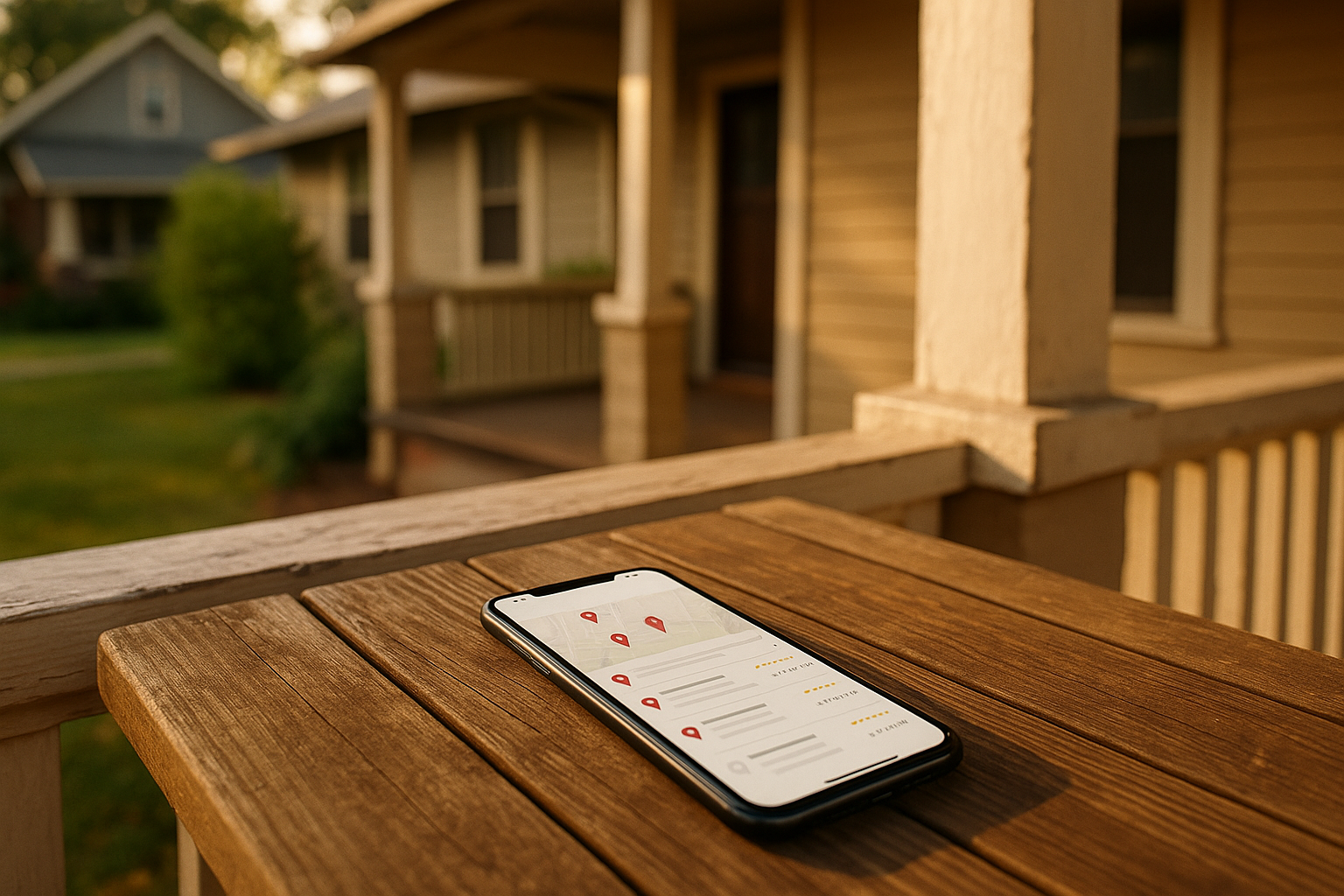
Your Google Business Profile (GBP) is often the first thing a homeowner sees after a search. Every week, post something fresh: a quick project photo from a job in Noblesville, a seasonal tip, a link to your latest blog post, or a Q&A you’ve seeded and answered yourself. We covered GBP posts in more detail here, but the short version is: use UTM tags on your links so you can see which posts actually drive calls and direction requests. Fill in every service you offer, add real photos (not stock), and keep the momentum going. Even one post a week can swing the map pack in your favor.
Spread the word without burning out
Publish everything on your own website first—Google wants to see the original source. Then, repurpose the heck out of it. A single deck-repair project in Lawrence can become: a case-study page (300 words + before/after pics), a GBP post, a before/after slider for Instagram, a 15-second loop for Facebook, and a snippet you email to your list with a “thinking about your deck?” subject line. Social media doesn’t have to kill your time if you treat each platform as a distribution channel, not a separate content factory.
A simple 90-day rhythm you can stick to
You don’t need to publish daily. In fact, that’s a fast track to burnout. Try this over the next three months:
- 3 blog posts a month (one seasonal tip, one comparison guide, one FAQ update).
- 2 project spotlights a month (with photos and a short write-up).
- 1 downloadable checklist or guide (like “Fall gutter maintenance checklist for Indianapolis homeowners”).
That’s 18 pieces of content in 90 days. At the end, look at what got the most calls or form fills and double down on that format or topic for the next quarter. No guesswork, just replication.
What to measure (and ignore)
Forget vanity metrics like page views and social likes. Here’s what tells you if your content plan for home service business is working:
- Phone calls and form submissions from your website.
- GBP actions: how many people clicked “Call” or “Get directions.”
- Rankings for your priority suburbs (use a simple rank tracker or just keep an eye on page-two vs. page-one positions).
- Cost per lead—if you’re paying for any writing or photography, divide that by the number of actual jobs booked.
If a post brings in zero leads after 90 days, don’t toss it. Refresh the date, add a recent photo, and link to it from a newer page. Content often needs a second push.
When to keep it in-house and when to call for backup
Some stuff you can DIY with a decent phone camera and a free Sunday afternoon. Before/after project photos? Your crew can snap those with a little training (same angle, tidy yard, good light). A quick GBP post? Write it while you eat lunch. But when you need a set of service-area pages, a conversion-focused blog series, or an audit to see what’s actually wrong with your current site, a partner saves you weeks of frustration. The key is giving them a tight brief: here’s our service area, here are our top three services, here’s a real example of a customer question we hear all the time. No fluff, no guessing.
Most small crews spend $300–$1,200 a month on content, depending on volume and photo needs. That’s a fraction of one good roofing job. And if the brief is sharp, you won’t pay for rewrites.
Your next move
You don’t need a 50-page strategy deck. You need a clear, local plan that maps content to the questions your neighbors are already typing into Google. At SmallOP, we start every engagement with a planning workshop—no contracts, no fluffy promises. We sit down (virtually or in person), audit what’s working and what’s not, and build a 90-day Indianapolis content marketing plan that fits your team’s actual capacity. From there, we can handle the writing, the photos (yes, photorealism without stock cheesy-ness), the GBP posts, and the reporting—so you can run the jobs.
If that sounds like a relief, grab a 30-minute planning call here. We’ll map out a clear-scope plan and a fair quote. No pressure, just a path to more calls from the neighborhoods you actually want to work in.
Ready to talk about your project?
Free consultation, 3D rendering, and a written quote — no pressure.