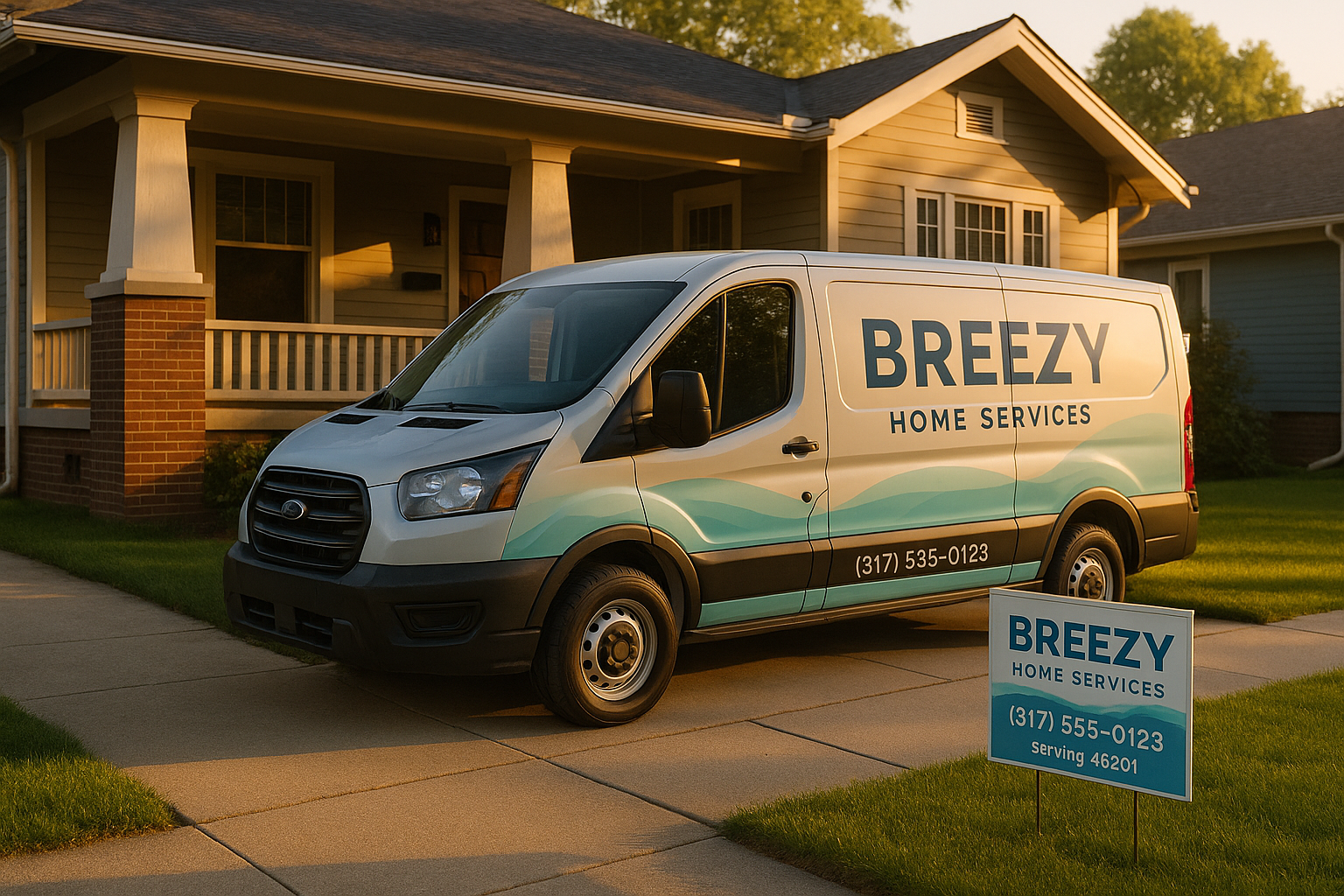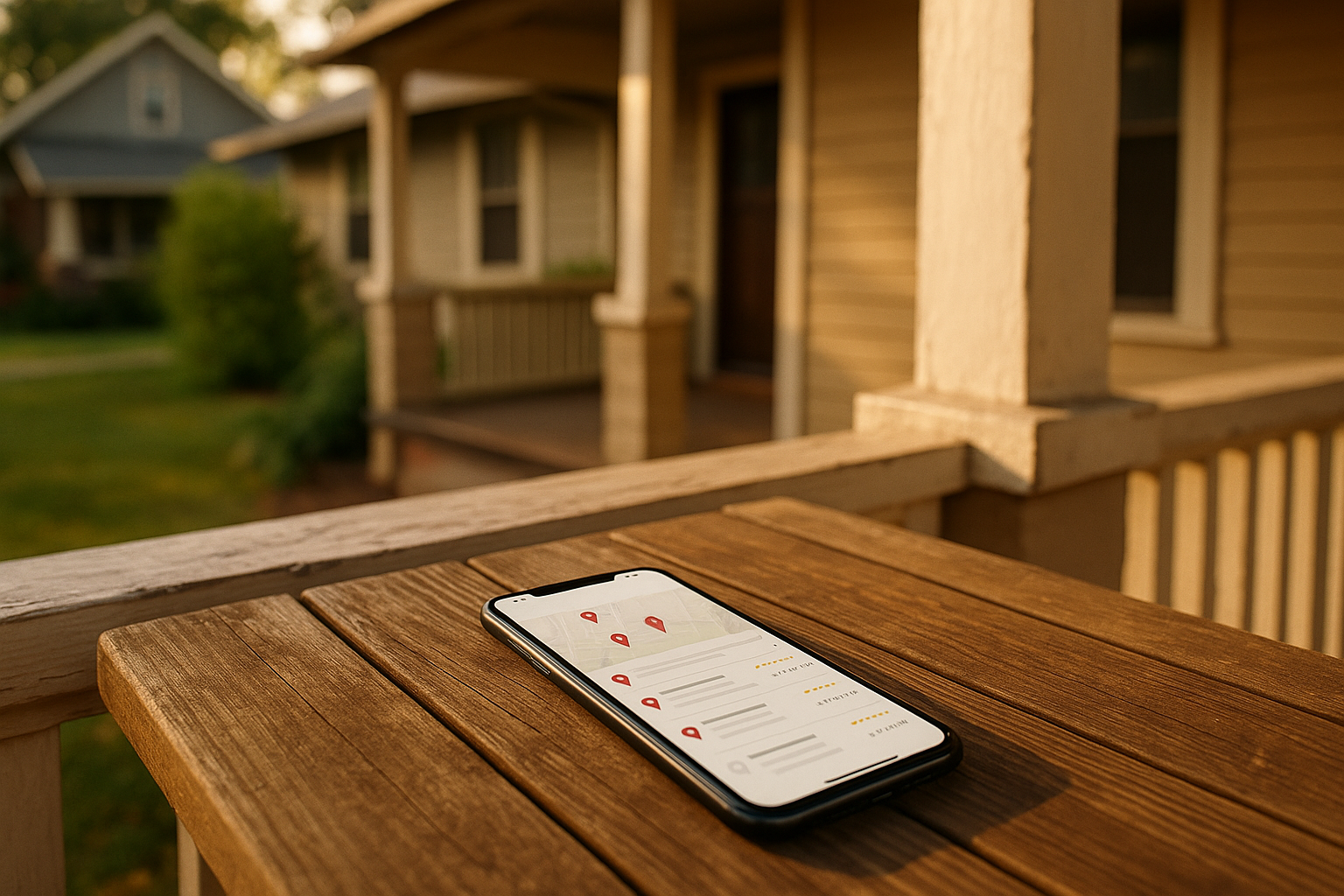
I was talking to a plumbing contractor out of Fishers last week, and the guy looked exhausted. He’d been trying to do the social media thing for his business—posting on Facebook, trying to figure out Instagram Reels, the whole nine yards. But after a few months, all he had to show was a handful of likes and exactly zero calls from his neighborhood. “Am I wasting my time?” he asked. “Should I just pick one and actually get somewhere?”
That conversation is basically what every home-service owner in Indianapolis hits at some point. You’ve got a tight marketing budget, limited hours, and a crew waiting on work. The last thing you need is a social media guessing game. So let’s break down the real deal on facebook vs instagram for local business—not with some vague marketing fluff, but with what actually moves the needle for guys like you.
Each Platform Has Its Own Vibe (And That’s a Good Thing)
Facebook, for all the fuss about it being “for old people,” is still the internet’s neighborhood coffee shop. It’s where your customers hang out to ask for recommendations, complain about the weather, and scroll through local community groups. I’ve seen a single comment in a group like “Fishers Neighbors” or “Carmel Moms” turn into three booked jobs for a painter. That’s the power of facebook groups for local business—when you show up, give genuine advice (not a sales pitch), and let your reputation do the talking.
Instagram, on the other hand, is the home show. It’s visual, fast, and all about discovery. People don’t go there to ask, “Who’s a good roofer?” They go there to look at stunning kitchens, dreamy landscaping, and satisfying before-and-after shots. If your work has a wow factor—think frameless shower doors, flawless paver patios, or crisp crown molding—you want to be in that Instagram feed. Instagram reels for local business can spread like wildfire. I know a landscaper in Greenwood who posted a 15-second timelapse of a sod install and got three DMs the same day from folks just a few streets over.
So the facebook audience vs instagram audience local distinction matters. Facebook users are in a neighborhood-browsing mode. Instagram users are scrolling for visual inspiration. Your job is to match your content to that mindset.
What to Post Where (So You Don’t Look Like an Amateur)
Here’s what I tell my service-business clients around the 317 and 463 area codes: stop trying to post the same thing everywhere and call it a strategy.
On Facebook, lean into the community angle. Upload project albums—not just one finished shot, but six or seven photos that tell a story: the mess, the middle, the miracle. Share a quick testimonial from a homeowner (with their permission, of course). Write a simple FAQ about the freeze-thaw potholes in spring or which gutter guards actually work around the heavy leaf drop in Meridian-Kessler. Then, jump into relevant local groups and actually participate—answer questions, share a tip, mention you’re in the area. No linkspam, just helpfulness.
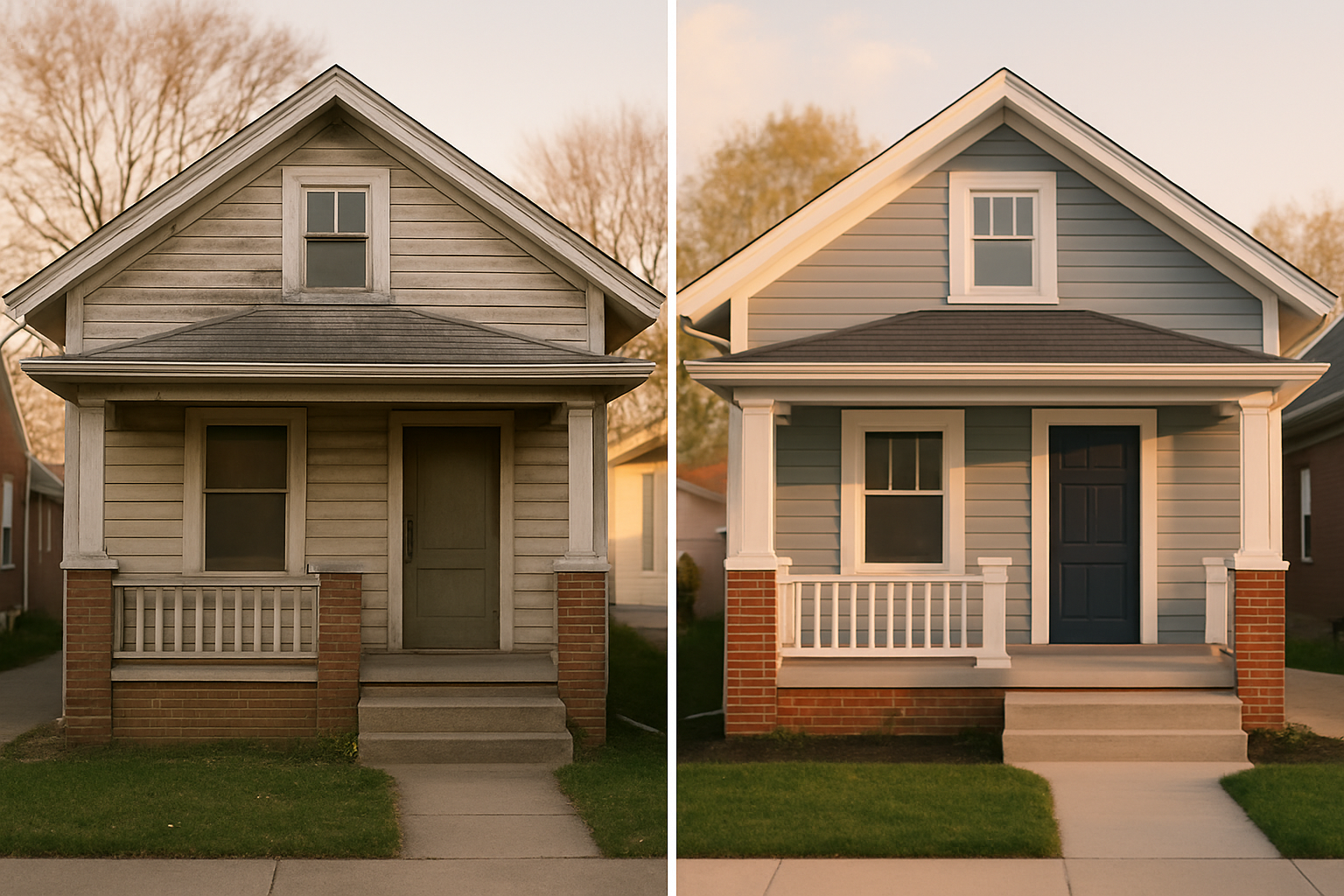
On Instagram, you’re going for the “wow, I want that” reaction. High-quality instagram before and after posts in a carousel are money. Use Reels to show close-ups of clean caulk lines, the sheen on a newly sealed driveway, or the timelapse of a deck build. Always geotagging on Instagram Indianapolis locations—not just the city, but neighborhoods like Broad Ripple, Irvington, or Eagle Creek Park. And sprinkle in a few local hashtags Indianapolis style: #IndyRoofing, #CarmelContractor, #FishersHomeRemodel. These don’t need to be fancy; they just need to be searchable by local people.
Which One Actually Gets You Leads, Though?
Okay, bottom line: you need calls, form fills, and booked estimates. So where are the leads coming from?
Facebook generally has more native lead-conversion tools. Messenger replies, click-to-call buttons on your page, and Facebook lead ads that let people submit their info without leaving the app. For a local service business, that’s gold. The friction is low, and the people on Facebook often are in a “I need help now” mode—especially after they see three neighbors recommend your company.
Instagram builds trust through your portfolio. Someone scrolls through your Reels, sees you know what you’re doing, and then maybe taps the link in your bio or sends a DM. The conversion path is a little longer, but the customer is often warmer. They’ve already seen your quality. I’ve noticed that roofers and exterior contractors do great on Instagram because the visual proof is undeniable—no fluff needed.
One thing I tell every contractor: whichever platform you choose, speed kills the deal. If someone DMs you and you take three hours to respond, they’ve already messaged the next company. Set up notifications, keep a template reply, and get back fast. We wrote more about that in our post on speed-to-lead and why fast follow-up wins.
How Meta Ads Simplify the Whole Decision
Here’s something most owners miss: Facebook and Instagram ads run through the same system—Meta ads. So you can test both placements from one dashboard, targeting a tight radius around your service area. Want to only show ads to homeowners within 10 miles of your shop in Zionsville? Easy. Want to see whether your $50 test budget gets lower cost per lead from Instagram Stories or Facebook feed? You can compare directly.
I’ve seen meta ads for local business work beautifully for HVAC companies in Avon who targeted the 462xx zip clusters before a summer heat spike. They ran a simple “AC tune-up special” ad on both platforms and found that Facebook delivered more appointment bookings, while Instagram built a ton of awareness. Over time, that awareness led to repeat customers and referrals. The lesson: ads let you test your facebook vs instagram for local business assumptions with real data, not hunches.
A Realistic Plan (Even If You’re Short on Time)
Look, I get it. You don’t have a marketing department. You’ve got a truck to drive and a jobsite to manage. So here’s a dead-simple 30-day test:
- Post twice a week on Facebook: one project album, one local tip or customer thank-you.
- Jump into one Facebook group each week and leave a genuinely helpful comment.
- Post twice a week on Instagram: one carousel of before/afters, one Reel of a project detail.
- Use the same geotags and a few local hashtags each time.
- After a month, check which platform brought DMs, calls, or form submissions. Then do more of that.
Worried about “what to say” in captions? Keep it simple: location, what the problem was, what you fixed, and one call to action. “Basement waterproofing done in Irvington—if your sump pump is working overtime this spring, DM me or tap the link to get a quote.” That’s it. No need to be clever.
And for the folks worried about privacy: always blur house numbers, get written consent before posting interiors or exteriors, and never film your crew without checking your liability insurance fine print.
Ready to Quit Guessing?
At SmallOP, we do this all day for home-service businesses around Indianapolis and the donut counties. If you’re still torn on facebook vs instagram for local business—or just want someone to hand you a no-fluff plan that fits your trade and your schedule—let’s talk. No jargon, no pressure. Head over to our quote request and answer a few quick questions. We’ll map out which platform should lead for you, what to post first, and how to turn that into booked work while you’re still running jobs.
Ready to talk about your project?
Free consultation, 3D rendering, and a written quote — no pressure.