Last spring, a plumber in Broad Ripple told me he lost a $4,000 water heater replacement because he had three reviews and the competitor had 43. The competitor's rating was actually lower—4.1 vs. his 4.9—but volume won. That stung. He knew his work was better, but homeowners don’t always dig that deep. They see a number and click. In Indianapolis, where every service call counts, your online reputation can make or break your business. I’ve seen this play out across handyman crews in Fishers, HVAC shops in Greenwood, and roofers chasing storm work in Carmel. So let’s fix it. This isn’t theory—it’s a step-by-step playbook for online reputation management for small business owners who’d rather be on the job than staring at a dashboard.
Why Reviews Count Twice in Indy
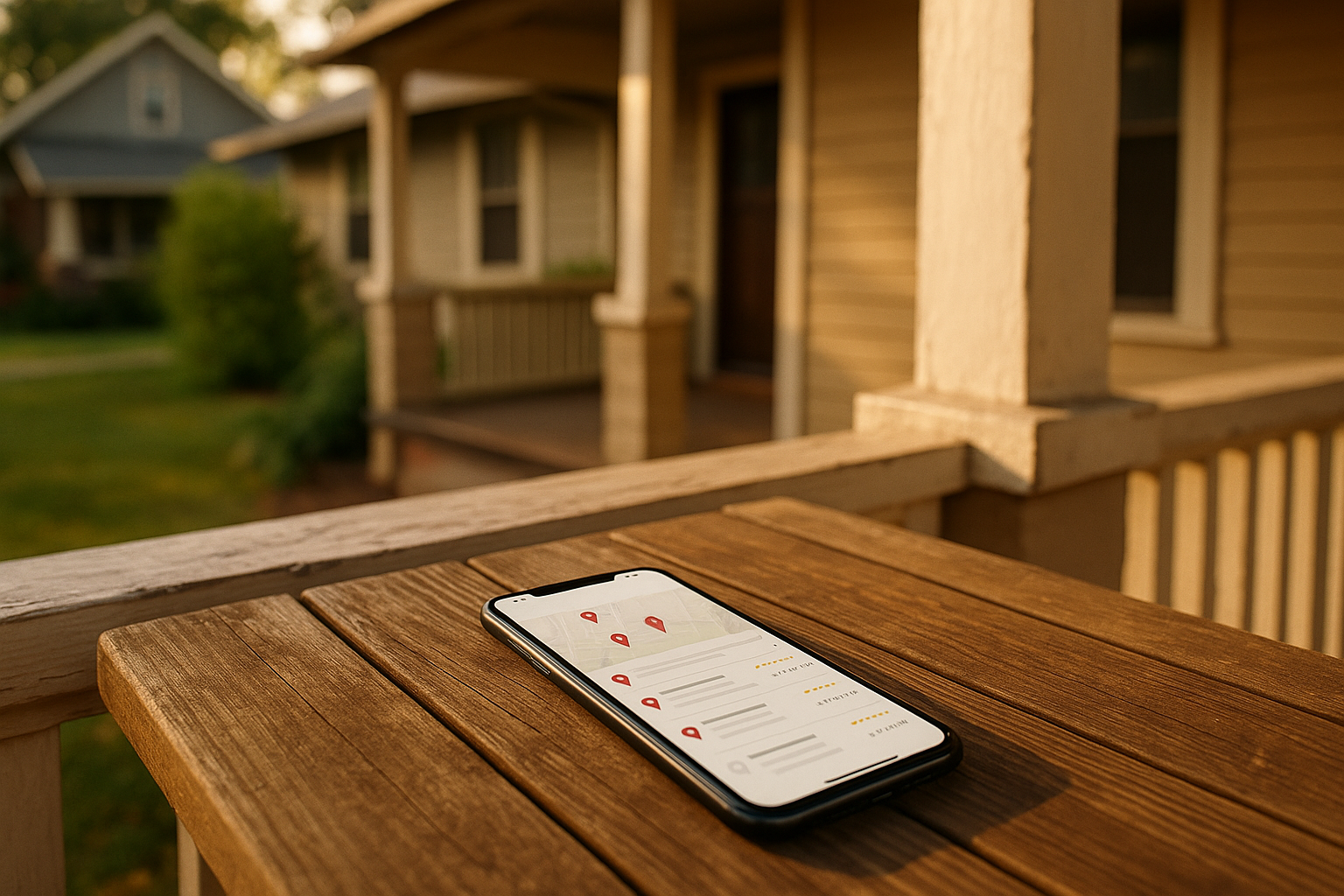
Around here, Google reviews for local businesses aren’t just vanity—they’re how the phone rings. When a homeowner in Meridian-Kessler hits Maps for an electrician, the businesses with more and fresher reviews pop higher. It’s called the Map Pack, and if you’re not in it, you’re invisible. Learn more about how reviews feed the Map Pack and why even a handful of new 5-star reviews can move the needle.
Indianapolis is patchwork: older homes in Broad Ripple with aging wiring, new builds in Zionsville with complex HVAC, and everything in between. Seasonality throws curveballs too—a hailstorm in Avon and your roofing phone explodes. In those moments, homeowners check reviews fast. They trust Google, but they also lean on Angi (that platform was born right here), the BBB of Central Indiana, and Nextdoor recommendations. I know a landscaper in Greenwood whose spring bookings filled up after five neighbors in one week mentioned him on Nextdoor. Reputation ripples, y’all.
Start with a Clean Slate: Audit Your Profiles
Before you chase more reviews, clean up what’s already out there. I’m talking NAP—name, address, phone—consistency across the web. I’ve seen a cleaning service with three different phone numbers floating around because of old Yellow Pages listings and a P.O. box in Carmel they forgot about. That confuses Google and frustrates customers. Here’s a solid guide on fixing citations and duplicates that’ll walk you through it.
Grab a coffee, Google your business in incognito mode, and note every platform where you show up. Fix the mismatches, claim the rogue listings, and merge duplicates. It’s tedious, but it’s like caulking before you paint—pointless to skip.
Make Your Google Business Profile Work Harder
Once your NAP is tight, tune your Google Business Profile like a properly gapped spark plug. That means picking the right primary category (Organization, for us), adding every service you offer, and uploading photos that actually look like Indianapolis—none of that stock-photo nonsense. Show the before-and-after of a water heater install in a tiny Broad Ripple basement, or the fresh mulch job under a crabapple in Fishers. These details signal to Google—and to homeowners—that you’re real and local. Need a deep dive? We’ve got a post on local SEO basics that covers GBP optimization in plain English.
Indianapolis online reputation management starts with a profile that feels like home. Set your service areas accurately—Carmel, Westfield, Noblesville, all of them. And fill out the Q&A section with common questions before customers ask them. It’s low-hanging fruit.
The Gentle Art of Asking for Reviews
Here’s where most home-service pros freeze. They think asking is pestering, or they’re scared of what people might say. Truth is, the majority of happy customers just need a nudge. A plumbing outfit I worked with started adding one line at the end of their SMS invoice: “If we did a great job, a Google review would mean the world to us. Here’s the link.” Their review volume tripled in six weeks.
Timing is everything. Ask right after the job—during the final walkthrough, or via a follow-up SMS that evening. Pair it with an email for the less tech-savvy. Never, ever offer discounts or gifts for reviews. It’s against platform rules and it stinks of manipulation. And if you’re still nervous about negative feedback popping up, we’ll tackle that next. (Spoiler: responding well to bad reviews can actually boost your credibility.)
Respond to Every Review—Even the Ugly Ones
A simple 3-step template works miracles: (1) Acknowledge and thank them, (2) address specifics if possible, (3) offer an offline resolution path. That’s it. A roofer in Carmel turned a 1-star rant about a missed drip edge detail into a 4-star update and a referral because he replied within three hours, apologized genuinely, and fixed the issue that same evening. Speed shows you’re paying attention.
For angry or false reviews, don’t duel in public. Verify if they’re a real customer, then take the conversation to phone or email. Once resolved, post a brief, warm public update. It’s not about winning an internet fight—it’s about showing the next person reading that you care. And if someone’s clearly a competitor or a bot? Flag it. Google’s gotten better at removing nonsense, but don’t obsess over every stray star.
Watch It All Without Going Crazy
You don’t need a dashboard that looks like a spaceship. A simple reputation monitoring setup works: email alerts when a new review lands, a weekly glance at your average rating and response time, and maybe a logbook where you jot down themes. “Three reviews this month mentioned how fast our HVAC tech showed up”—that’s gold for your marketing. Keep it lightweight so you’ll actually do it.
Tie Reviews to Your Day-to-Day Ops
The secret to a steady flow of reviews is baking it into your crew’s routine. Something as simple as: technician completes job, snaps a few photos, and the office software triggers a review request SMS. That’s a review generation workflow you can set and forget. It also closes the speed-to-lead loop—happier customers come from quick, clear communication, and happy customers leave glowing reviews. Speed-to-lead isn’t just a buzzword—it’s a revenue lever.
I helped a lawn care company in Greenwood set this up. Their crew had tablets, took before-and-after pics, and the review link hit the homeowner’s phone before the mower was back on the trailer. Within a month, they had 20 new reviews and a noticeable bump in Map calls.
Don’t Let Policy Trips Trip You Up
Platforms are strict about no review gating—that’s deliberately filtering out unhappy customers before they can leave feedback. Don’t do it. Similarly, don’t pay for reviews or misrepresent yourself in replies. Write a simple internal SOP for your team so everyone knows the rules. It’s boring but it protects you. If a fake review pops up, document it, flag it through the proper channel, and move on. Obsessing over it drains energy better spent on the hundred happy customers who never said a word.
Is It Working? Track What Matters
You don’t need a marketing degree to see if this stuff is working. Count new reviews per week. Watch your average rating trend up (or at least not down). Check your Google Maps impressions and see if clicks to your site are increasing. Set a five-minute weekly review. If the phone rings more from “I found you on Google,” you’re on the right track.
Online reputation management for small business owners in Indianapolis doesn’t require a big budget or a dedicated PR person. It needs a system, a little consistency, and a willingness to listen. If you’ve read this far, you’re already ahead of nine out of ten competitors.
Ready to stop piecing it together alone? We’ll scope a reputation audit and a 90-day review system plan for your specific service areas—whether you’re an electrician in Lawrence or a roofer covering all of Hamilton County. No complex setup, no long contracts. Just a straight-up game plan. Get your custom plan started right here.
Ready to talk about your project?
Free consultation, 3D rendering, and a written quote — no pressure.