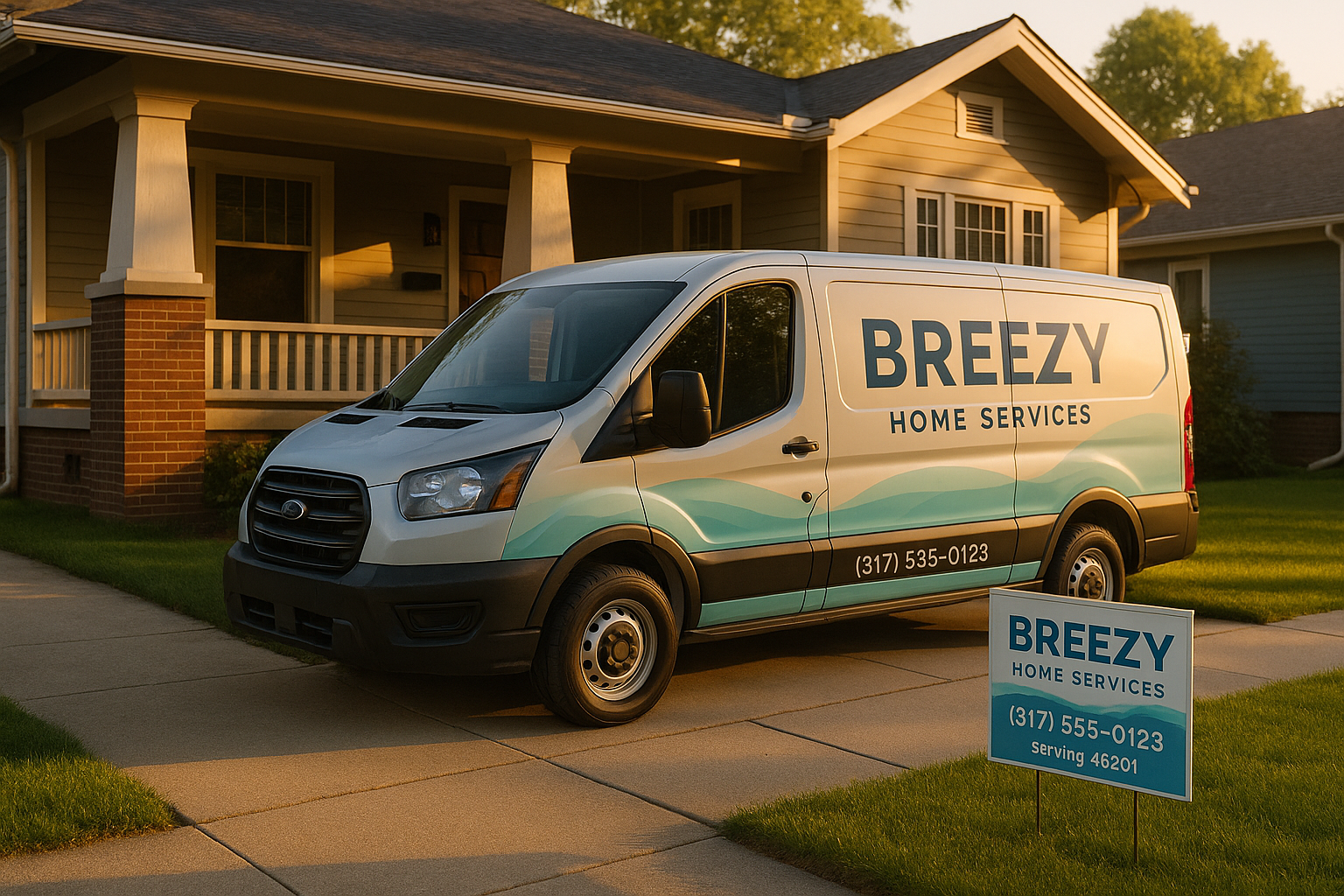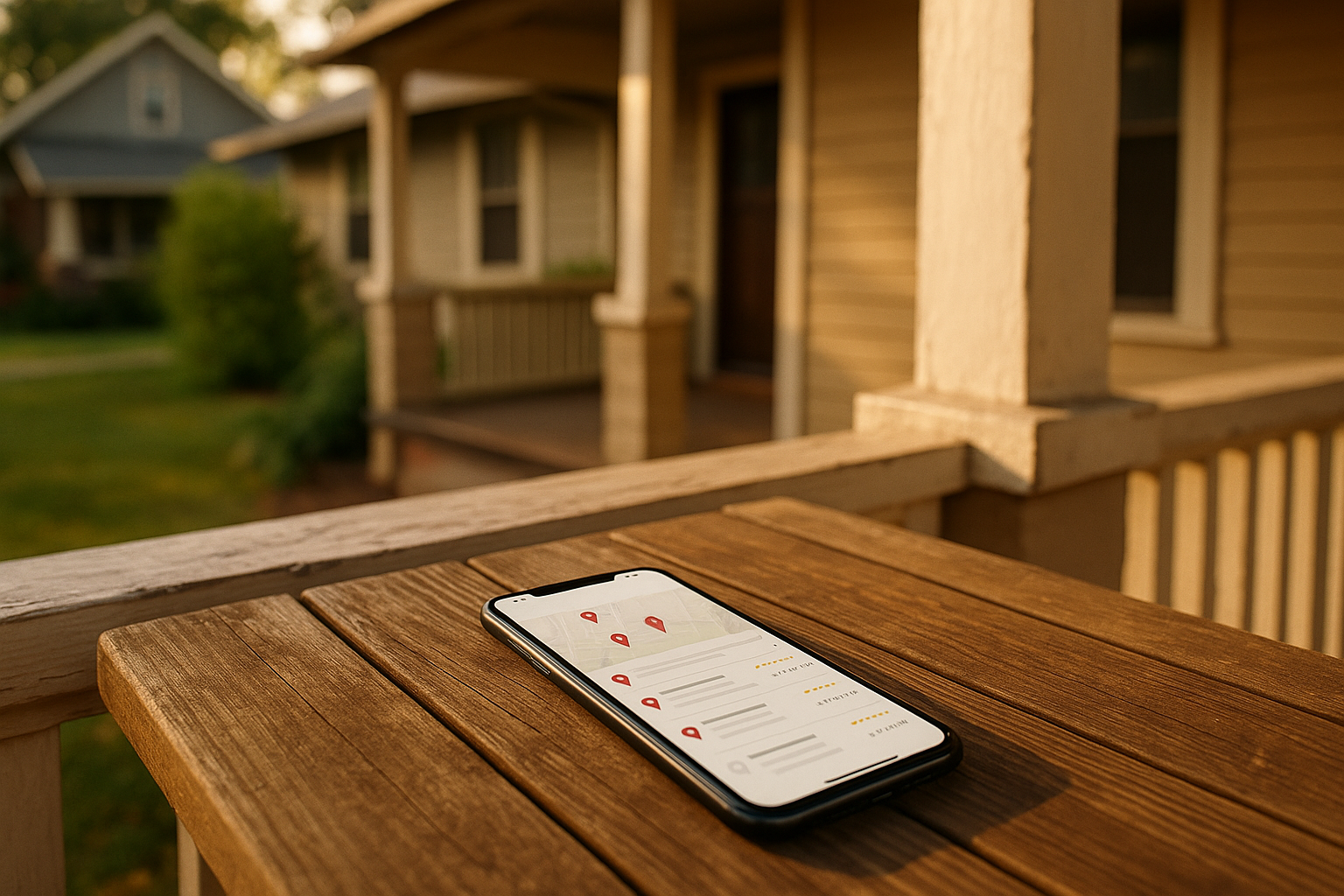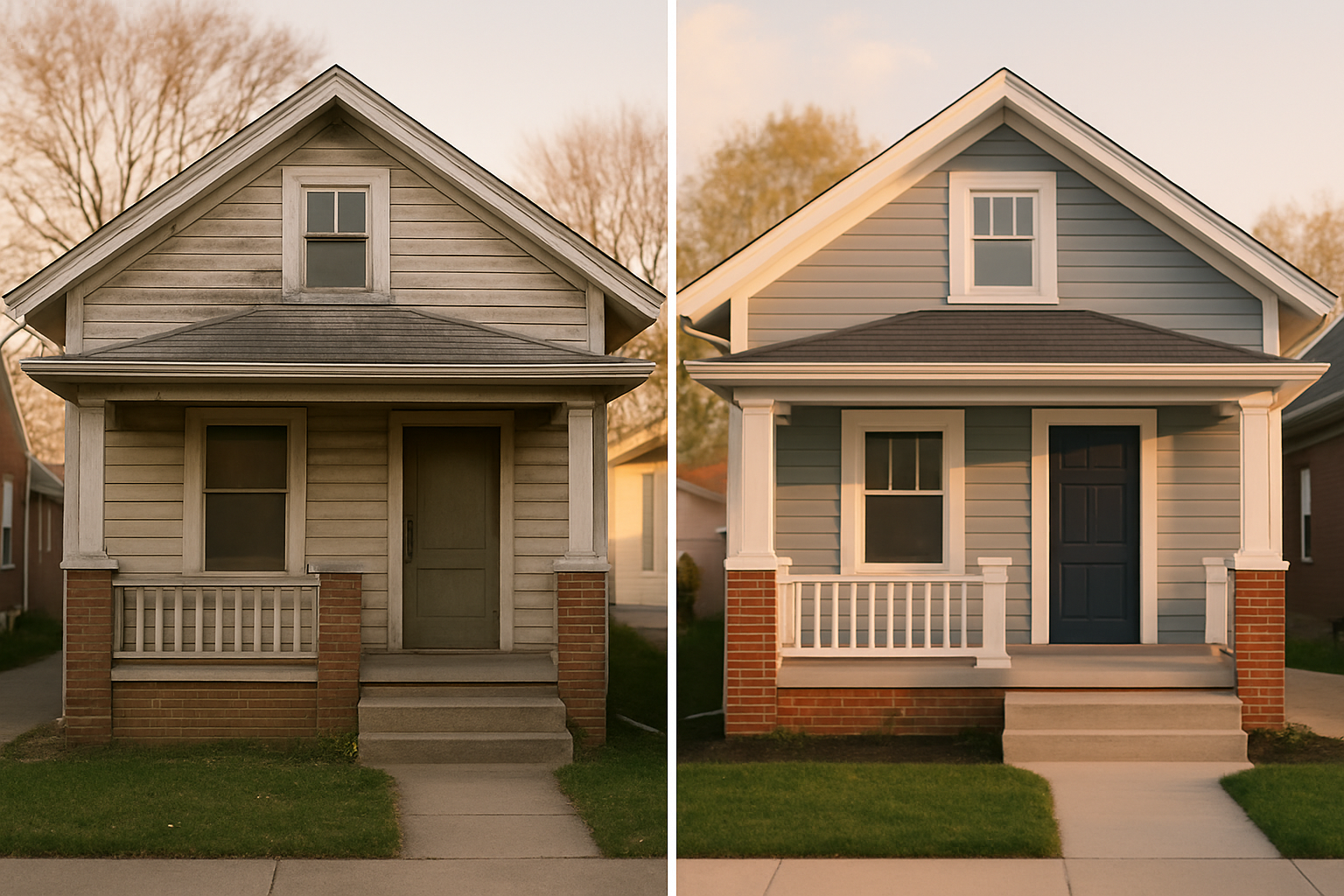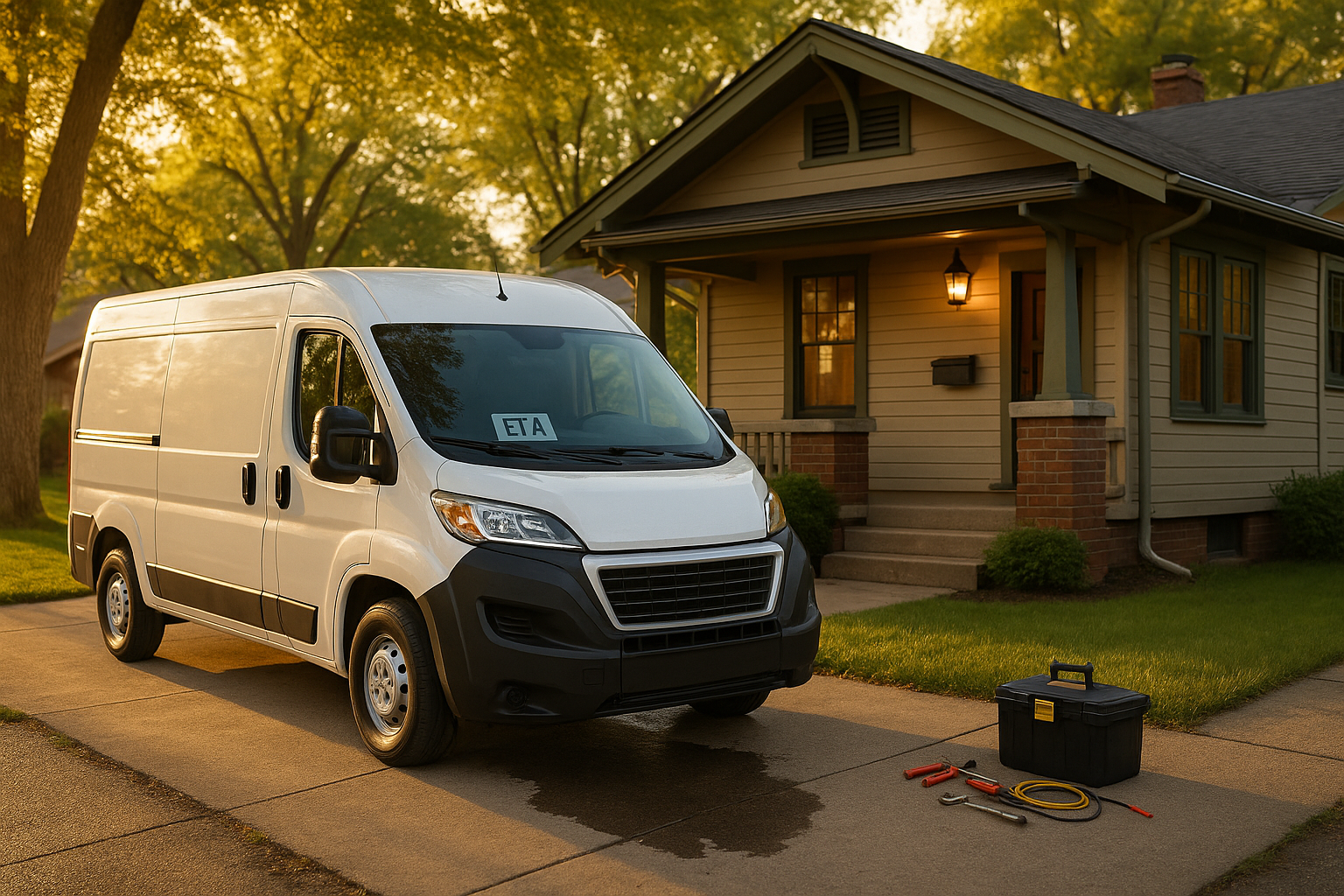
You know that sinking feeling when a pipe bursts on a Saturday morning? Water's creeping across the basement floor, and you're frantically Googling "emergency plumber near me." That's exactly what happened to my neighbor in Broad Ripple last spring. She called three different companies. Two didn't pick up. The third answered on the first ring, asked the right questions, and had a truck rolling within 10 minutes. She never even checked the voicemails from the other two. Speed won that job—and it'll win yours too if you let it.
Here's the thing: when a homeowner is staring at a leaking water heater or a furnace that quit on a 10-degree night, they aren't patiently waiting. They're dialing the next name on the list. So, how fast should you follow up with a lead? The honest answer? Under five minutes during business hours, and instant auto-replies after hours. Not days. Not hours. Minutes. That's the only way to beat the competition to the yes.
That's why we call it "speed to lead." The math is simple: if you're not the first to connect, you're likely the first to lose. Studies show calling within five minutes boosts conversion rates by as much as 100x compared to waiting 30 minutes. Homeowners in Indianapolis—especially in busy spots like Carmel or Fishers—aren't loyal to a brand they haven't hired yet. They're loyal to the person who shows up fastest when something's broken.
The 5-Minute Rule and Why It Works
Think about your own behavior when you're the one with a problem. Most people open their phone, search "HVAC repair near me," and start tapping numbers. They'll contact two or three companies almost at once. The one that answers first feels like a relief—suddenly, someone's in control. That emotional lift is huge. It's why lead response time benchmarks set five minutes as the gold standard. If you miss that window, they're already chatting with your competitor.
But let's be real: a small shop with one owner running calls can't always answer on the first ring. That's where the right follow-up cadence for home services comes in. A quick SMS acknowledgment followed by a phone call within minutes does the heavy lifting. Text says, "We see you, we're here." The call says, "Let's get you scheduled." That one-two punch can make your close rate jump without feeling like you're hounding anyone.
What a Smart Follow-Up Cadence Looks Like
So, how fast should you follow up with a lead during a normal workday? As soon as humanly possible. But if you can't call right away, the sequence should be: instant auto-text (something like "Hey, we got your request. Someone will call in a few minutes—hang tight"), then a live call within 5 to 10 minutes. After that, if no answer, try again in 30 to 60 minutes. Then send an email recap with an option to self-schedule. For the next few days, space out one check-in per day—text or call—and then let it be. That's a respectful, effective cadence.
After-hours and weekends? Same urgency, different approach. Set up an auto-reply that confirms receipt, gives a simple booking link, and states the next available time window. Don't call someone at 11 p.m. because their AC died—they'll hate that. Instead, text them at 8:00 a.m. sharp (local time, so 317 area code folks are already up). Include your caller ID as a local 317 or 463 number—people around here screen out-of-area calls like they're robocalls.
And please, use language that sounds like a real person. No scripts about "your business is important to us." Try: "Mornin'—this is Mike at SmallOP. Saw your furnace request from last night. I can have a tech out by 10 today if you still need help. Just reply back or give me a ring." Short, specific, human.
Tools and Tips for Indianapolis Businesses
I've heard from a dozen local pros—roofers, electricians, landscapers—that the biggest headache during Indiana's spring storm season isn't the work itself; it's the flood of leads all at once. One roofing guy in Zionsville told me he got 42 calls in three hours after a hail storm. He couldn't possibly answer them all. But his missed-call text back tool fired off an auto-reply to every single one, and he booked 30 jobs from that storm alone.
That's why you need a CRM built for home-service companies, one that routes leads by zip code (so your guy in Greenwood isn't driving to Fishers for a small job), triggers alerts, and lets you send templated texts and emails without typing every time. Even a simple setup with round-robin assignment can keep leads from getting stale. Lead aging prevention starts the moment a form is filled or a call rings.
Also, keep in mind Indianapolis traffic. If you're promising a 2 p.m. arrival but you're stuck on I-465 near Keystone, your "on the way" text had better adjust expectations. Tools that auto-send arrival windows are gold.
Make your first response time a key performance indicator. During busy season, check it daily. Aim for under five minutes median response. If you can't hit that, invest in call answering or a shared inbox that flags new messages. This isn't about perfection; it's about being a little better than yesterday.
How to Not Sound Pushy
I get it—nobody wants to be that pest who texts three times a day. But here's the thing: homeowners want clarity, not silence. A quick "Still need this? I can slot you in tomorrow afternoon" is helpful. So is an opt-out link. In fact, include "Reply STOP to stop messages" in every automated text. It's just good manners, and it keeps you TCPA compliant.
Keep your first contact short and focused on the problem. Use a lead qualification checklist: address, issue description, timeline, budget range, and whether they're the decision-maker. That cuts out the tire-kickers. And for spam? A simple CAPTCHA on your web form and a confirmation question ("What's the address of the problem?") filters most junk. No need to waste time on fake calls.
A service-area check early in the conversation saves everyone frustration. "You're in Carmel? Great, we're there every day." or "Ah, we don't cover that far south, but I know a guy." Being direct builds trust.
Measuring Success Without Obsessing
You don't need to become a data scientist. Just watch a few numbers: contact rate (how many leads you actually speak to), appointment-set rate, and show rate. If you're tracking those, you'll quickly see if your follow-up timing is working. For most Indianapolis small business leads, the goal is a contact rate over 70% and a show rate above 80%. If you're lower, tighten your response time.
We also recommend a quick daily huddle during peak weather or seasonal rushes. Look at yesterday's leads, see which ones went dark, and assign a courtesy callback. This "lead nurture" isn't pushy—it's just good business.
Finally, an honest CTA: If you're tired of watching leads slip away while you're on another call or under a sink, we can help. At SmallOP, we do a quick Lead Response Audit for Indianapolis-area service businesses. We'll map out a follow-up workflow that gets acknowledgment out in minutes, sets up scripts your team actually wants to use, and wires up the tech—missed-call text, booking links, routing. No fluff. Just a process that makes your phone ring with real jobs. Ready to double your close rate? Go here to schedule a short chat. We'll tune it up together.
And while you're at it, check out our guide on website conversion tips for local businesses to make sure your leads get a fast start not just on the phone but on your site too. Or if you're still working on getting found in the first place, our local SEO basics article is solid. And if your Google Business Profile is a mess, give this a read—it directly impacts how fast people call you from the map pack.
Remember: in home services, speed isn't just a metric. It's the voice saying, "We've got you," while the other guy is still checking his voicemail.
Ready to talk about your project?
Free consultation, 3D rendering, and a written quote — no pressure.