I got a call from Mike last fall — he runs a small plumbing outfit out of Fountain Square. He was frustrated. His phone hardly rang unless it was an old customer, and he was watching competitors book job after job. 'I know I do good work,' he said, 'but nobody can find me.'
Sound familiar? If you're a home-service business owner in Indianapolis, you've probably asked yourself the same thing. You're not alone. Most of the time, the problem isn't your service — it's that Google doesn't know you exist when someone nearby searches for what you do. That's where local seo for small business comes in.
Local SEO isn't about tricking Google. It's about making it dead simple for the algorithm to connect you with people who need you right now. In a city like Indy — with neighborhoods from Broad Ripple to Greenwood, Carmel to Irvington — showing up in local search can be the difference between an empty calendar and a booked week.
Get Your Google Business Profile Right (It’s Not That Hard)
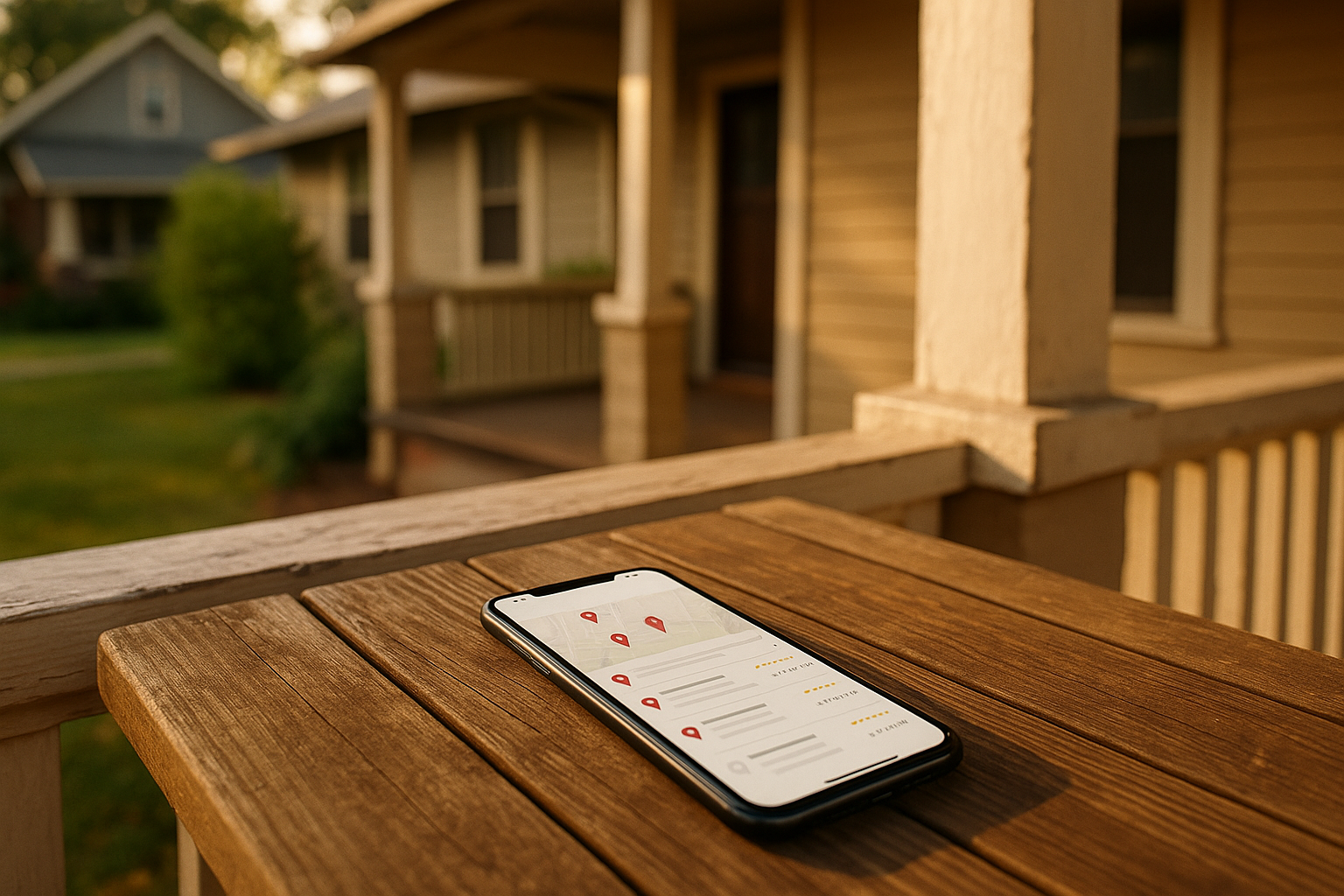
Your Google Business Profile (GBP) is the biggest lever you can pull. When someone searches 'plumber near me 46220' or 'HVAC repair Greenwood,' the Map Pack — those three local listings with the map — is what they see first. If you're not in that pack, you're invisible.
Start by claiming your profile. Then fill out every field Google gives you: business name, address, phone (NAP), hours, categories, services, service area, photos. I mean everything. Skip the products section or skip photos and you leave money on the table.
For categories, don't just pick 'Organization' because it seems broad enough. Get specific. If you're a roofer, pick 'Roofing Contractor.' HVAC? 'HVAC Contractor.' Google uses these to decide which searches you're relevant for. You can add secondary categories too, but don't stuff in things you don't do.
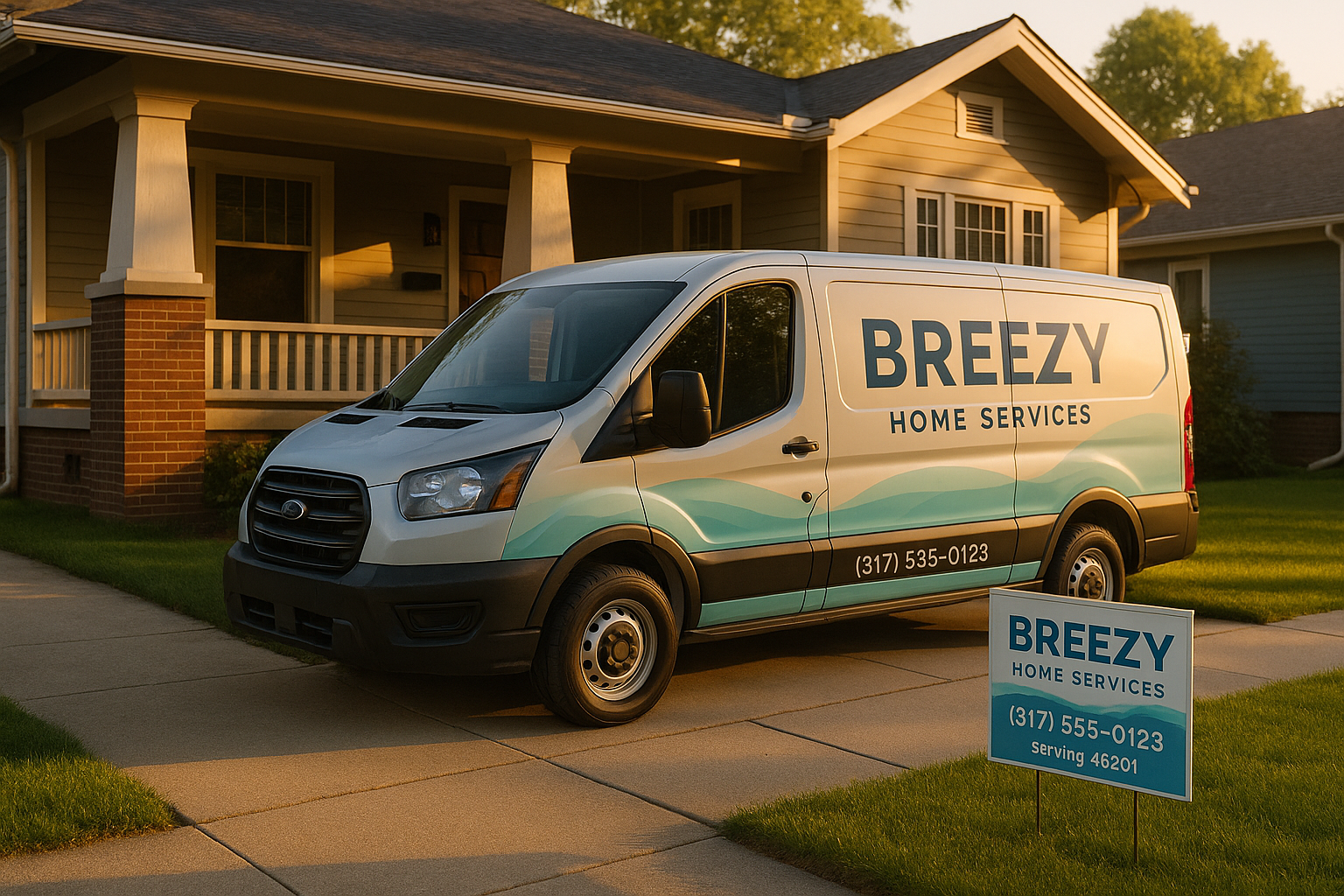
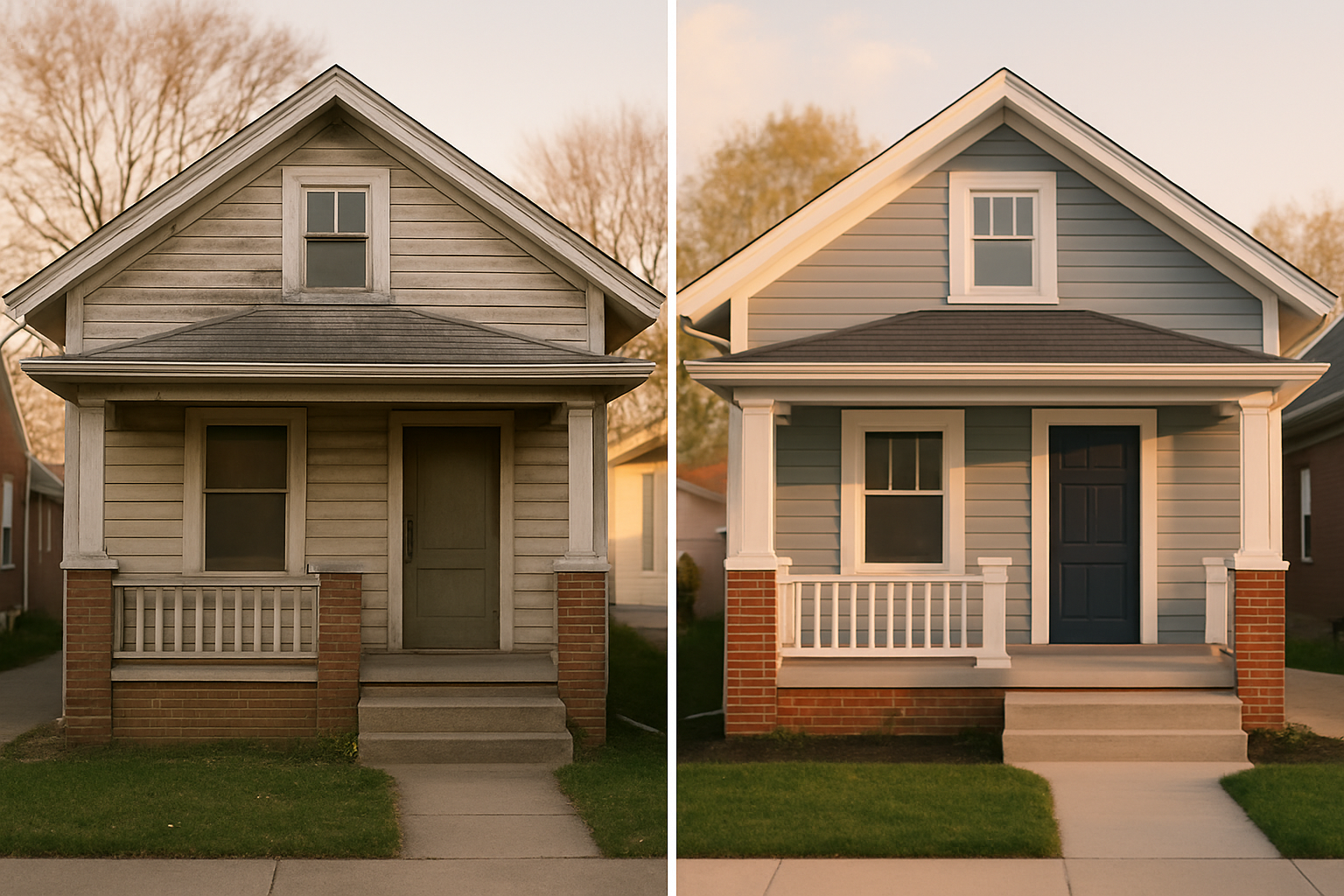
Photos matter big time. Show what your work looks like — clean trucks, tidy job sites, real before-and-afters. A roofer I know started snapping shots of his crew (with permission), and his profile engagement jumped. No stock photos. Show the limestone details on that Meridian-Kessler Tudor you repainted or new gutters on a brick ranch in Speedway.
Use posts to share seasonal tips: 'Before you fire up the AC in Carmel,' or 'Winterizing pipes in Broad Ripple.' It keeps your profile fresh and tells Google you're active. Turn on messaging only if you can respond fast — an unanswered message is worse than none at all.
If you want a deeper walkthrough, check our guide on Google Business Profile optimization.
Show Up in the Neighborhoods You Actually Serve
One mistake I see: businesses try to rank for 'Indianapolis' and forget the neighborhoods. But folks in Fishers don't search 'Indianapolis plumber' — they search 'plumber Fishers' or 'plumber near me' when they're in their kitchen with a leak.
Build service area pages for the suburbs and neighborhoods you cover. Not just a list of zips — real pages with useful info. If you do electrical work in Irvington, write about the historic homes, old wiring challenges, even knob-and-tube still hiding in walls. Talk local building codes, common problems you see there.
This isn't keyword stuffing. It's showing Google (and readers) you know the place. 'We’ve rewired plenty of Craftsman bungalows in Fountain Square, so we know what to expect' sounds real, and it helps when someone searches 'electrician Fountain Square.'
Just don't create 20 carbon-copy pages with only the city name swapped. That gets penalized fast. Write a handful of solid pages for your core areas. Mention a landmark, housing style, local event. For Speedway, talk pre-race home prep. For Carmel, larger homes with complex HVAC. Each page should feel genuine.
Always stick a clear call to action on these pages — phone number, simple form. Make it stupidly easy to take the next step.
Get Reviews That Work for You
Reviews are local SEO fuel. They build trust and influence Map Pack rankings. But you can't just hope for them.
A pest control guy in Lawrence started texting a quick link after every job: 'Thanks for trusting us. If you're happy, would you mind leaving a Google review?' One tap, no app download. His reviews tripled in three months.
Don't offer incentives — Google will slap you. Just make it easy and ask at the right time: right after a job well done, when the homeowner's relieved. After fixing a roof leak during a spring storm, they're usually grateful enough to help.
Respond to every review, good or bad. A plumber in Greenwood once got a one-star from a scheduling mess. He replied calmly, apologized, offered to fix it. That response is public, and it shows you're human. Customers care about how you handle problems more than a perfect 5.0.
We go deeper in our guide on getting more Google reviews for small businesses.
Make Your Website Pull Its Weight
Your site doesn't have to be fancy but it has to be fast and clear. Page speed matters, especially on mobile. Most 'plumber near me' searches happen on phones, and if your site lags five seconds, they bounce.
Compress images, get decent hosting, ditch sliders nobody clicks. A simple, fast site with your services, areas, and a big call-to-action beats bloated every time.
Match search intent on each service page. If someone searches 'AC repair Carmel,' your title and H1 should reflect that: 'AC Repair in Carmel, IN' or close to it. Answer common questions: pricing, process, how soon you can roll. Use FAQ sections helpful for both people and schema markup.
Add LocalBusiness, service, and FAQ schema to your pages. It’s not rocket science — just code that helps Google understand your content. That can earn you rich results like star ratings and FAQ dropdowns. Most website builders have plugins for it.
Also, keep your NAP (name, address, phone) consistent everywhere — your site, Yelp, Angi, BBB, Indy Chamber directory. Even 'St.' vs 'Street' can trip Google up. Run a citation audit and clean mismatches.
Build Trust with Local Links and Citations
Backlinks — links from other sites to yours — still matter. For local SEO, focus on local links. Join the Indy Chamber, sponsor a Little League team in Greenwood, volunteer for a Broad Ripple cleanup, and get mentioned on their sites. These links tell Google you're part of the community.
Look for local media mentions. Helped a Meridian-Kessler homeowner with a tricky water heater? Pitch a short piece to IndyStar or a neighborhood newsletter. Sponsor a high school sports team and snag a link. These aren't high-volume but they're high-trust.
Citations are different — they're just NAP mentions, no link required. Get listed in major data aggregators: Neustar Localeze, Factual, Data Axle. They feed tons of directories. Bad citations can tank your map pack ranking.
Content That Speaks to Indy Homeowners
Your content should reflect what's happening right now in Indianapolis. Not generic 'homeowner tips' — timely stuff. In January, write about frozen pipes in those Broad Ripple bungalows. In April, sump pumps and storm-proofing basements in Irvington. June? AC tune-ups and humidity control for big Fishers splits.
This matches real searches. When a cold snap hits, 'furnace repair near me' spikes. If you've got that content, you're more likely to show up.
You can also build content clusters: a main HVAC repair page, then supporting pages on AC repair, furnace repair, duct cleaning, each tailored to an area. It signals topic authority to Google.
Track What Matters (and Skip the Vanity Metrics)
Page views and impressions don't pay the bills. For local SEO, track calls, form fills, GBP messages, and direction requests. Use call tracking to see which keywords bring in actual jobs, not just traffic.
Set up UTM tags on your GBP links and email signatures so Google Analytics shows exactly where actions come from. Don't ignore Google Search Console — it tells you which queries people used, pages clicked, and your average position. Free and priceless.
When to Expect Results
Local SEO isn't overnight. But quick wins come in 30–60 days: a fully optimized GBP, cleaner website, and steady review stream can move the needle. I've seen Fishers businesses get their first Map Pack calls within weeks after fixing categories and earning a few reviews.
Longer-term, those neighborhood pages, local links, and content clusters take 3–6 months to compound. Worth the wait. While SEO ramps up, you might run Google Ads to bridge the gap — just don't rely on them forever.
Avoid traps: no virtual office addresses in cities you don't serve, no keyword stuffing in your business name, no shady links. Google's smart and will penalize you.
If you're tired of watching competitors take calls you should be getting, let's map a simple, no-fluff plan for your situation. Head to our quote page and we'll do a local SEO assessment for your Indy service area. No strings, just a roadmap to get you showing up where it counts. For more small business marketing tips, check out our blog, or see how SmallOP helps Indy service businesses.
Ready to talk about your project?
Free consultation, 3D rendering, and a written quote — no pressure.