I remember a roofer in Meridian-Kessler who was pulling his hair out. He’d just wrapped up a gorgeous new roof on a Craftsman bungalow—perfect flashing, clean lines, even swept the driveway. When I asked how many Google reviews he had, he shrugged. Six. Six reviews. In two years. “My guys do great work, but asking feels like we’re begging,” he said. I told him, “What if I showed you how to ask customers for Google reviews in a way that feels like a favor, not a sales pitch?” Three months later, he had 34 reviews and had climbed three spots in the local Map Pack. It’s not magic. It’s just the right system.
Why Google Reviews Hit Different in Indy
Getting more Google reviews isn’t just a vanity thing. It’s how people find you when they search “plumber near me” or “HVAC repair Carmel.” Google’s local algorithm leans hard on review count, recency, and rating. In a crowded market—think all those trucks running between Fountain Square and Westfield—having a steady stream of fresh reviews can mean the difference between showing up in the top 3 or getting buried on page two. And we both know nobody scrolls past the first few results.
I’ve watched a Greenwood electrician go from 12 calls a week to 30 just by getting his review flow right. And the wild part? He didn’t do anything fancy. He just started asking every customer, every time, in a way that felt human.
The Only Rules You Need to Worry About
Before we get into scripts, let’s clear up some confusion. Google’s review guidelines are pretty simple, but a lot of business owners still get nervous about them. Here’s the deal: you can never offer a discount, gift, or anything of value in exchange for a review. Not even a “leave us 5 stars and get 10% off.” That’s a fast track to having reviews yanked—or worse, your listing suspended.
Also, you can’t gate your reviews. You know those NPS surveys that only send happy customers to Google? Big no-no. If you ask for feedback, you’ve got to let everyone leave a review, good or bad. It can feel scary, but it actually builds trust. More on handling the occasional stinker later.
And for goodness’ sake, don’t have your own team leave reviews. No family members, either. It’s painfully obvious, and Google’s filters are smarter than you think.
The Secret Sauce: Make It One-Tap Easy
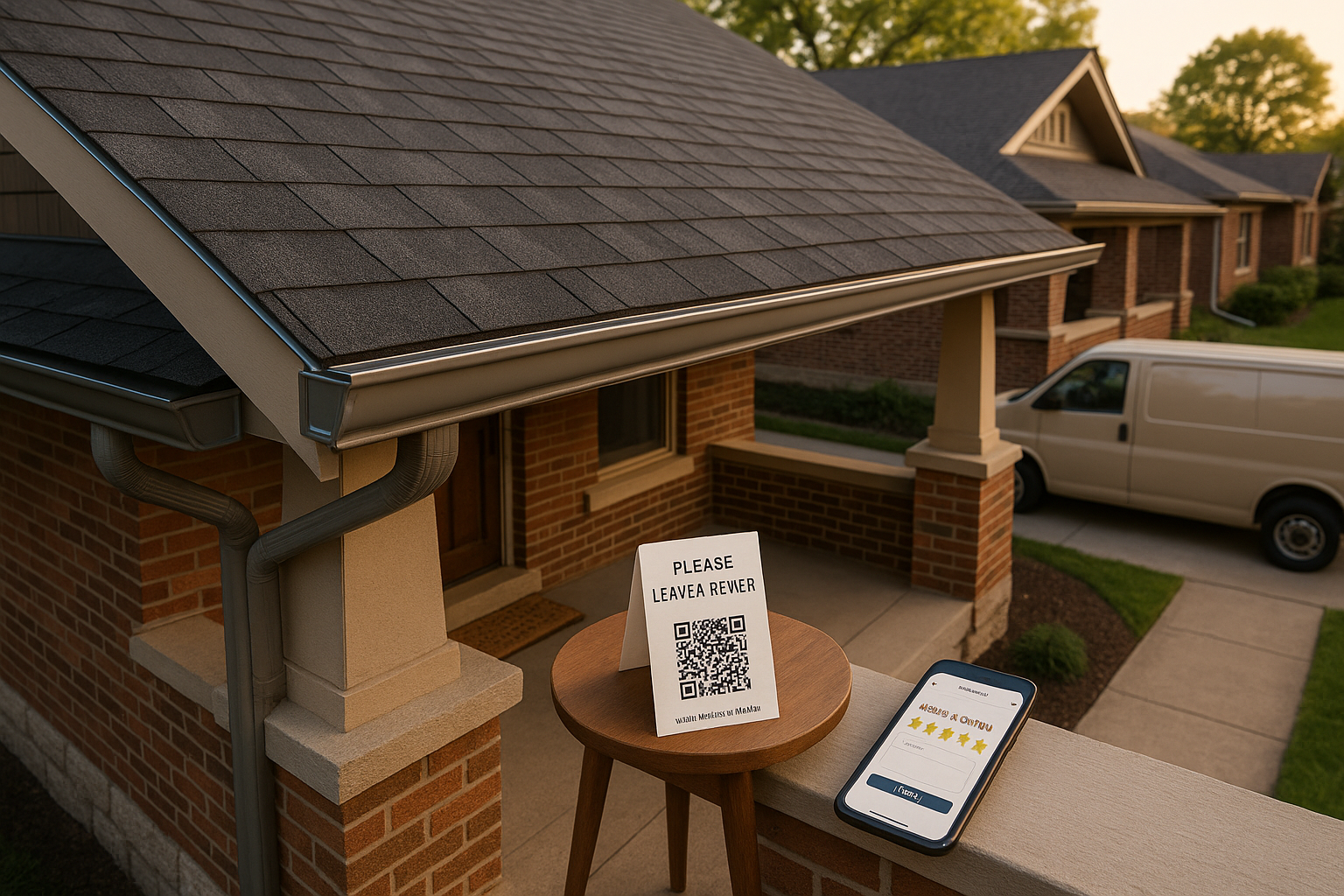
People are busy. If it takes more than a couple taps, they’ll bail. That’s why you need to get your Google review link set up right. Go into your Google Business Profile, find the “Ask for reviews” link, and shorten it (I use a free tool like Bitly). Better yet, tag it with a little UTM so you can track clicks. Then put that link everywhere: text messages, email signatures, printed invoices, even a little card you hand over after a job. A QR code on that card works wonders for the less techy folks—they just open their phone’s camera and boom, they’re writing a review.
When you’re setting up your review link, don’t overthink it. I’ve seen shops bury the link deep in an email with five other requests. One clear button, one clear ask. That’s all.
In-Person: The Ask That Feels Like a Favor
The best time to ask for a Google review is right after the job, while you’re still standing in their living room or driveway. But you can’t sound scripted. My favorite opener? “Hey, we really appreciate you letting us take care of [the repair/install] today. If you’ve got a second, honest feedback helps our crew know they’re doing right by folks. I can shoot you our Google review link real quick—would that be okay?” Nearly everyone says yes because you made it about their experience, not your ego.
Then, right then and there, send the link. Wait while they confirm they got it. No pressure, just a friendly nudge. If they say they’ll do it later, that’s fine—follow up once in a few days.
SMS: Short, Sweet, and Fast
Texting is king for speed. Most people open a text within minutes. Keep it simple:
“Thanks for choosing [Your Biz] today! Your feedback helps Indy neighbors find good folks like us. Leave a quick Google review here: [short link]”
That’s it. No emojis, no novel. Just a genuine thank you and the one thing you want them to do. And always get consent before texting—most CRMs handle that automatically when you capture their number at booking.
Email: For a Little More Detail
Email’s good for folks who want context. Subject line: “Quick favor from the [Service] team.” Body: a sentence or two thanking them, a sentence about how reviews help local families find reliable help, and then a big button that says “Leave a Review.” Sign off with your shop name and maybe “Proudly serving [Neighborhood].” Tiny touches like that—seeing their own neighborhood name—make it feel personal. I’ve seen clicks jump 20% just by mentioning “Broad Ripple” or “Irvington” in the sign-off.
But What If They Don’t Respond?
That’s where a little automation saves your sanity. Most field service CRMs can trigger a review request as soon as a job gets marked complete. That first ask goes out within a few hours. If they don’t bite, a single follow-up 3–5 days later is enough. Don’t hound people. You want reviews from folks who genuinely want to leave them, not folks who felt arm-twisted.
I worked with an HVAC shop that automated their follow-ups and saw their review volume go from 1–2 a month to 12–15. The key was letting the system remind them, so the techs didn’t have to think about it. And by the way, if you’re not ready for a fancy CRM, a simple spreadsheet and a manual text or email still works. Consistency beats complexity.
The Scary Stuff: Getting a Negative Review
I get it. A one-star zinger can feel like a punch. But here’s the hard truth: a few low reviews actually make your five-star reviews more believable. Nobody trusts a business with 100 perfect scores and zero complaints.
When you get a negative review, respond fast—ideally within a few hours. Thank them for the feedback, apologize if something went wrong (even if it wasn’t your fault), and invite them to call your office so you can make it right. Keep it short. Never argue. Then, once it’s resolved, you can kindly ask if they’d update their review. I’ve seen irate homeowners flip to loyal customers just because someone listened. One bad review handled well is worth ten good ones you never respond to.
And remember, you can’t delete a Google review just because you don’t like it. But if it violates policy—spam, off-topic, conflict of interest—you can flag it. Realistically, that’s rare.
Let’s Get Local: What Works in Indianapolis
Here in Indy, we’ve got a mix of brick ranches, bungalows, and newer builds popping up all over Avon and Fishers. People value straight talk and reliability. When you reply to reviews, drop neighborhood names or project details (without personal info). “Glad we could get your AC humming again in the heat, especially with that old limestone foundation in your Meridian-Kessler home.” That’s the kind of real, human reply that tells both the customer and Google, “This business is legit, local, and knows their stuff.”
Timing matters, too. Spring storm season means roofers are swamped. Summer humidity crank calls for AC repairs skyrocket. Those are ideal moments to ask for reviews while the relief is fresh. And with Indianapolis traffic always a gamble, if your tech shows up on time, that’s a win worth mentioning in your review request. “We know your time is valuable—glad we could beat the traffic and get your furnace going before that freeze hit.”
Ready to Stop Guessing?
Most home-service owners I meet are great at their craft but dread the marketing side. Learning how to ask customers for Google reviews doesn’t have to be a headache. It’s really just about building a simple, repeatable habit. Send the link. Send it fast. Make it easy. And always, always be genuine.
If you’re in Indy and want help setting up your review funnel—scripts, automation, tracking what works—we do that every day. No buzzwords, no pressure. Just a practical system that fits your team and your customers. Grab a time to chat and we’ll walk you through it.
Let’s get your review system humming →
Ready to talk about your project?
Free consultation, 3D rendering, and a written quote — no pressure.