You know that sinking feeling when the phone just… stops ringing? A buddy of mine who runs a small HVAC shop in Irvington called me last fall sounding spooked. “Did the economy tank overnight or something? We went from six calls a day to basically zero.” Turned out, a year-old tracking number had somehow stuck on a handful of directory listings, and Google—confused about which number was real—pushed his listing way down the Map Pack. Once we hunted down the bad digits and scrubbed everything to match his real, local 317 number, calls picked back up in about two weeks. That’s the power (and danger) of something called NAP consistency. But what is NAP consistency local seo, and why does a wrong phone number deal that much damage? Let’s break it down, Indy-style.
So, What Exactly Is NAP Consistency?
NAP stands for Name, Address, Phone. Consistency means they appear exactly the same everywhere—not just on your website and Google Business Profile, but on Yelp, Apple Maps, Bing, Facebook, and those big data aggregators like Data Axle and Neustar Localeze that feed info to hundreds of other sites. Search engines use these citations to verify you’re a real business. If your address reads “123 N Meridian St, Ste 200” on your site but “123 North Meridian Street, #200” on Yelp, that’s a mismatch. Even tiny differences chip away at Google’s trust. And less trust means worse rankings—especially in the Map Pack, where most local clicks happen. (If you want to see how Map Pack rankings tie into a bigger local strategy, I wrote about outranking competitors on Google Maps here.) So when someone asks “what is nap consistency local seo,” the short answer is: it’s the practice of making sure every mention of your business online matches your official info down to the period.
Why a Wrong Number Hurts More Than You Think
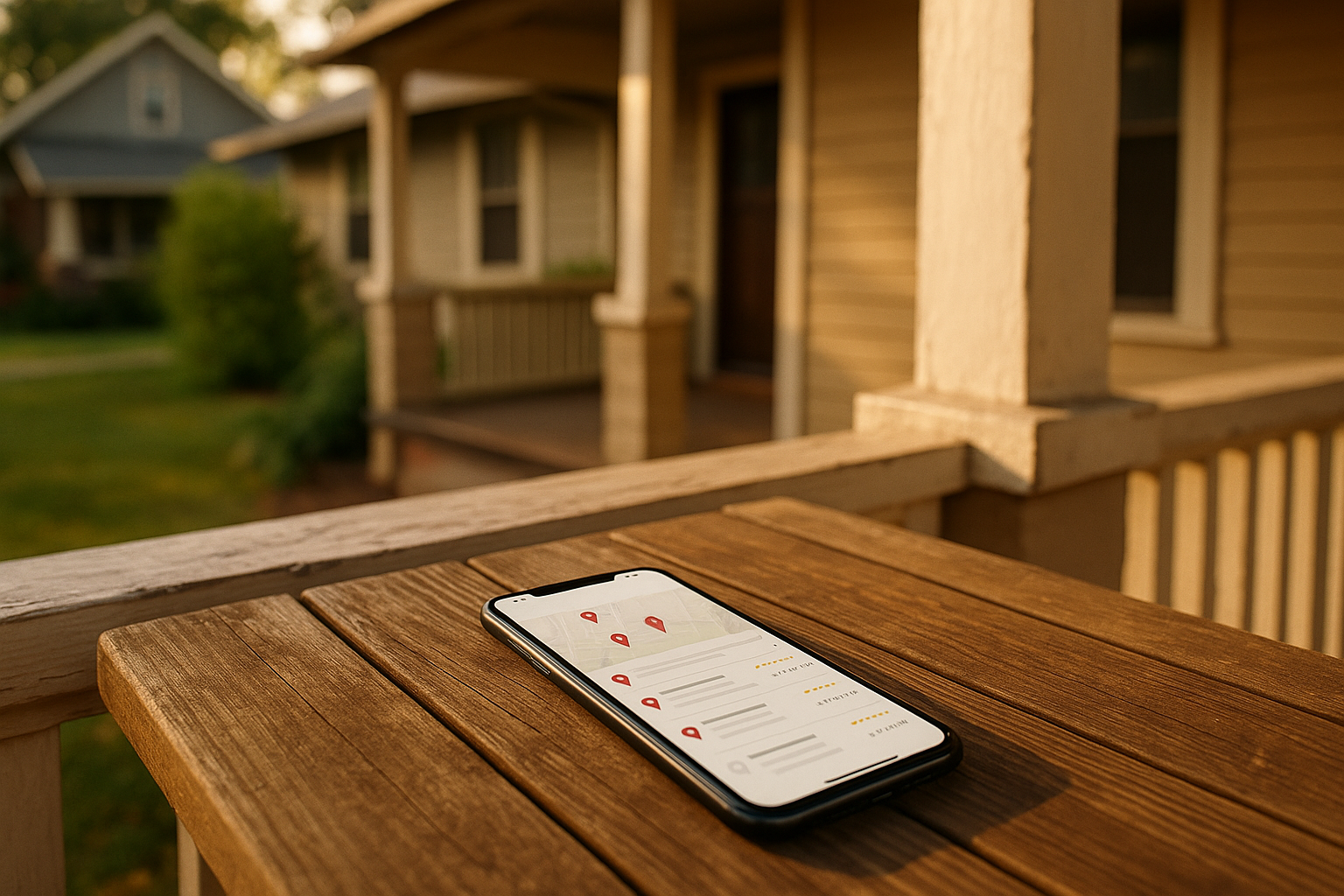
Google cross-references your NAP across the web to decide how confident it should be in your business. If it spots five different phone numbers for the same company, it starts doubting. Maybe you’re not legitimate. Maybe you’re a spam lead-gen site. That hesitation tanks your visibility. And on the customer side, imagine a frantic homeowner in Meridian-Kessler with a burst pipe; they Google a plumber, tap the first number on Apple Maps, and it’s disconnected. They’re already dialing the next shop—you lost a $2,000 job because of a single wrong digit.
Then there’s the tracking number trap. I get it, you want to know which ads drive calls. But if you use dynamic number insertion on your site without setting up the schema to protect your canonical number, those temporary numbers leak into directories. Soon enough, Yelp and Bing have a different phone number than Google does, and consistency crumbles. (If you’re wrestling with how to measure ROI without hurting local SEO, this post on measuring digital marketing ROI might help sort it out.) For service-area businesses that hide their address in GBP, the phone number becomes the primary anchor—any wobble there is deadly.
The Sneaky Ways NAP Gets Messed Up (Indy Edition)
Indianapolis has its own flavor of NAP traps. Our streets love directionals: E 10th St, W 86th St, N Meridian. The USPS standard wants “E 10th St,” but some directories autofill “East 10th Street.” That’s all it takes to create an inconsistency. And suites: a lot of offices put “#210” on their door, but USPS prefers “Ste 210.” I’ve seen a single law firm in Broad Ripple end up with four different suite formats across the internet because nobody ever sat down and standardized it.
Then there are the suburbs. If your business is in Carmel, your postal city is Carmel, not Indianapolis—even though you might tell people “Indy.” Plug “46032” into a directory that auto-corrects to Indianapolis, and you’ve got a mismatch. Same with Greenwood (46142), Fishers (46037), and Zionsville (46077). Mixing those up confuses Google’s local algorithm, especially when your service area crosses county lines. Never use a P.O. box or a virtual office as your address, either. Google will eventually figure it out and suspend your profile, and then you’re really in trouble.
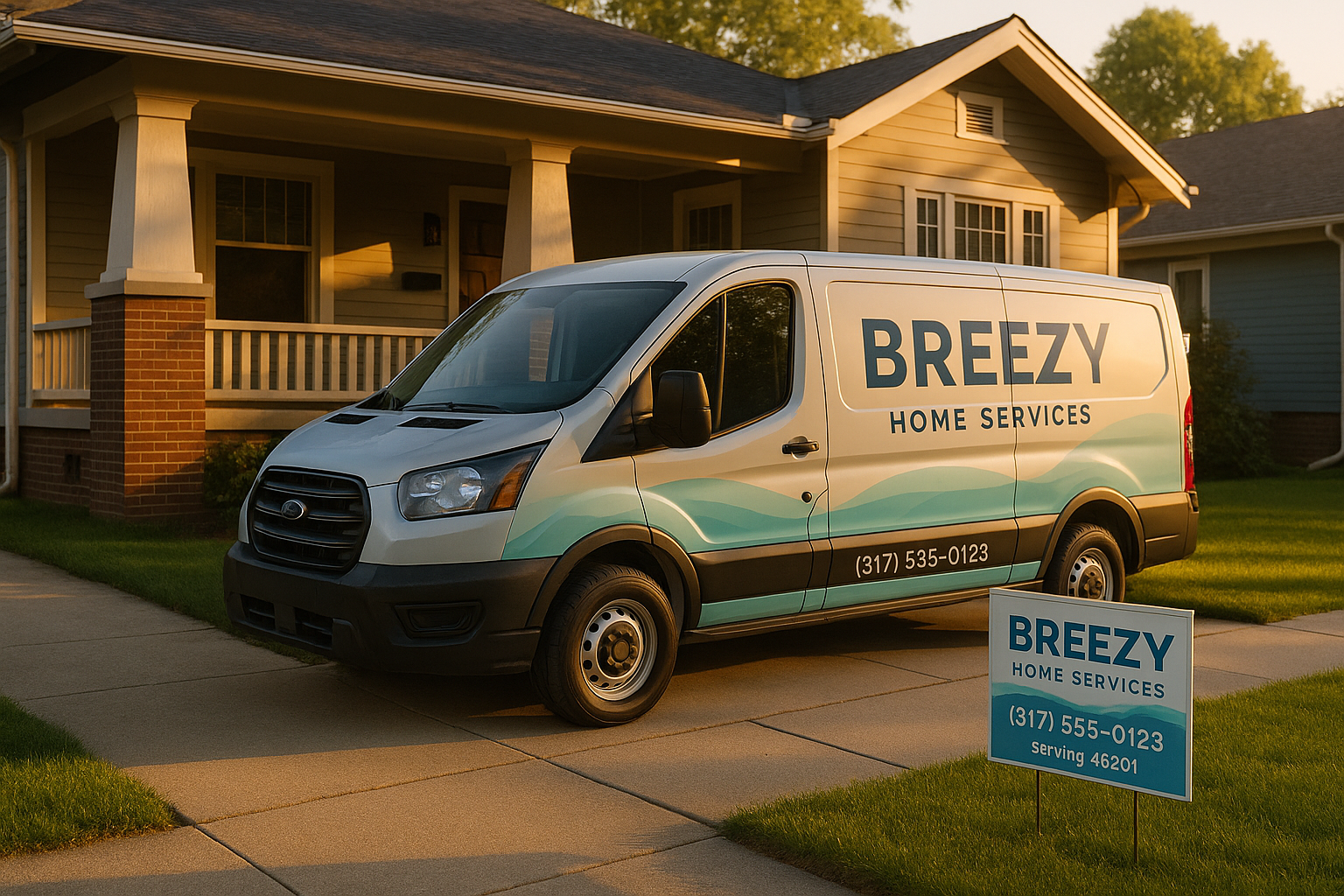
And don’t get me started on name variations. Adding “LLC” on your GBP but not on your website? That’s a mismatch. A Facebook Page that says “Mike’s Heating & Air” while your GBP says “Michael’s Heating and Air Conditioning”? Inconsistency. Keep the name boring and identical everywhere. One local HVAC guy told me he changed his branding to include “& Sons” on his van wrap but forgot to update his listings—six months later, his Map Pack ranking for “furnace repair Indianapolis” had dropped off a cliff.
A NAP Audit You Can Do Yourself (No Tech Degree Needed)
The first step is writing down your canonical NAP. Look up your address on the USPS ZIP Code Lookup tool to get the preferred format. Pick one primary local phone number—preferably a plain 317 or 463 number, not an 800 number. Decide on your official business name (sans taglines). Now, go through this checklist:
- Your website (footer and contact page)
- Google Business Profile
- Apple Maps
- Bing Places
- Yelp
- Facebook Page
- Major data aggregators: Data Axle (Infogroup), Neustar Localeze, Foursquare
Write down exactly what each one shows. Any difference—even a comma—is a red flag. If you find duplicates, report them to the platform for merging rather than deleting the oldest one, because duplicates often have more history and reviews attached. (For a deeper dive on keeping your whole digital presence clean, we put together a guide on done-for-you local presence management.)
While you’re at it, check your hours—including holiday hours. Indy weather can force early closures or seasonal changes; if your GBP says 8am–6pm but you actually close at 4 on Christmas Eve, update it. That kind of accuracy builds trust. And your Google Business Profile photos should reflect the actual business, which helps verification. (Sloppy photos? Here’s how to fix your GBP photos.)
Keeping Your Listings Tight After the Fix
Once everything matches, lock it down. Add your canonical NAP to your brand guidelines so every employee or marketing person knows to use the exact same format. Schedule a quarterly spot-check to catch any drift. If you ever move, rebrand, or change your phone number, follow a careful sequence: update your website first, then GBP, then the aggregators, then the top directories. Spread the word to any staff who create listings. And remember, it takes weeks for changes to propagate across the web, so don’t panic if you still see an old version on some obscure site for a while.
Schema markup is your silent helper. Add LocalBusiness structured data to your site that spells out your NAP and includes “sameAs” links to your GBP, Yelp, and other official profiles. This tells search engines, “Here’s my verified info—use this.” It’s a small technical tweak that reinforces consistency at the code level. That’s the real heart of what is nap consistency local seo—keeping your business’s digital handshake strong across the web.
If doing all this yourself sounds about as fun as shoveling a Broad Ripple sidewalk in January, we can handle it. We do NAP audits and cleanup plans for Indianapolis businesses without any long-term contracts or gimmicks. Just a clear-eyed plan to get your info straight so the phone starts ringing again. Grab a quote or just start a conversation through our form.
Ready to talk about your project?
Free consultation, 3D rendering, and a written quote — no pressure.