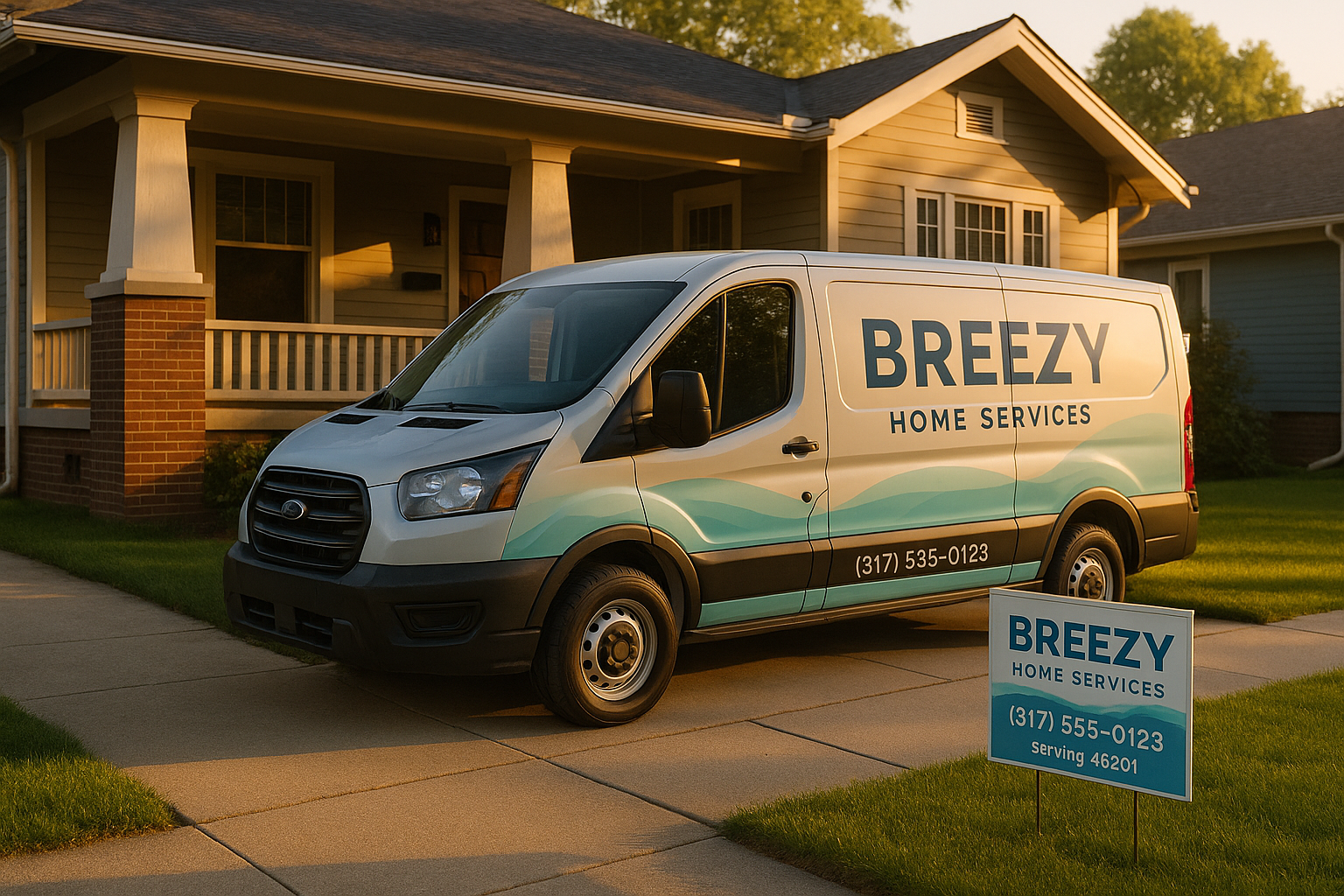
My pal Dave runs an HVAC outfit out of Broad Ripple. Last spring, he serviced a guy's AC unit—did a great job, homeowner was happy. Dave gave him a handwritten estimate for a new furnace he'd need before winter. Then, crickets. Dave got busy with summer calls and forgot to follow up. Fast forward to October, that same homeowner posts on the neighborhood Facebook group: “Furnace won't start, any recs?” Someone else got the job. Dave missed it because he never sent a simple email. One reminder, one “hey, just checking in,” and that install would've been his.
That’s the thing about email marketing for local service business: it ain't flashy, but it keeps you in the conversation when you're not on site. And honestly, most of your competitors aren't doing it right—or at all. Here's the good news: email marketing for local service business works, even if your list is small.
Why email beats shouting into the social media void
You know how Facebook changes its algorithm every few months and your posts suddenly get seen by 10 people? Email's not like that. When you send an email, it lands directly in someone's inbox. No gatekeepers. No pay-to-play (unless you're buying ads). It's owned media—you control the list, the message, the timing. For local email marketing strategies, that ownership matters. A good home services email sees open rates around 20–30%. That's way more eyeballs than a social post that gets buried by cat videos.
Plus, email lets you be helpful without being pushy. A well-timed reminder about gutter cleaning before the first big leaf drop in Irvington? That's something people actually appreciate.
Start your list the easy way (no, you don't need 10,000 names)
Listen, I hear it all the time: “We only have a couple hundred customers, what's the point?” The point is, those couple hundred already trust you. That's gold. And list building for small businesses doesn't have to be complicated. You're collecting email addresses from every single touchpoint:
- The quote request form on your website.
- Your booking confirmation page.
- Invoices and receipts (just add a little opt-in checkbox).
- Even a tablet on your office counter or showroom desk with a sign that says, “Get seasonal tips and exclusive offers for your home.”
When someone books a service, just ask: “Mind if we shoot you a few seasonal reminders? Nothing annoying, promise.” Most folks say yes because it sounds useful. Before you know it, your list is growing, full of people who actually want to hear from you.
Split your list so you send the right stuff to the right folks
Blanket emails about everything your company does? That's a quick way to get unsubscribed. Instead, think about who needs what. If your plumbing side just snaked a drain in Fountain Square, that customer probably doesn't care about your lawn aeration special. Segmenting your list—that is, grouping people by service type, job status (lead, estimate sent, past customer), or even geographic area—makes your emails feel personal.
For example, a landscaper might have tags for “lawn care,” “tree trimming,” and “hardscaping.” A roofer might separate “repair,” “replacement,” and “inspection” folks. And if you work across the Indianapolis metro—from Zionsville to Greenwood—you can tweak your message by neighborhood. A Meridian-Kessler homeowner with huge old trees needs a different fall cleanup reminder than someone in a newer Carmel subdivision. This kind of Indianapolis local marketing keeps your emails relevant, and relevance = opens.
Set it and forget it: automations that work while you're on a ladder
Here's where a lot of business owners’ eyes glaze over, but stick with me—automation is your best friend. It's not about fancy tech; it's about setting up a few key sequences so you don't have to remember to send every single email. That's the magic of email marketing for local service business—it's personal and automated at the same time.
Start with these core email automation for home services workflows:
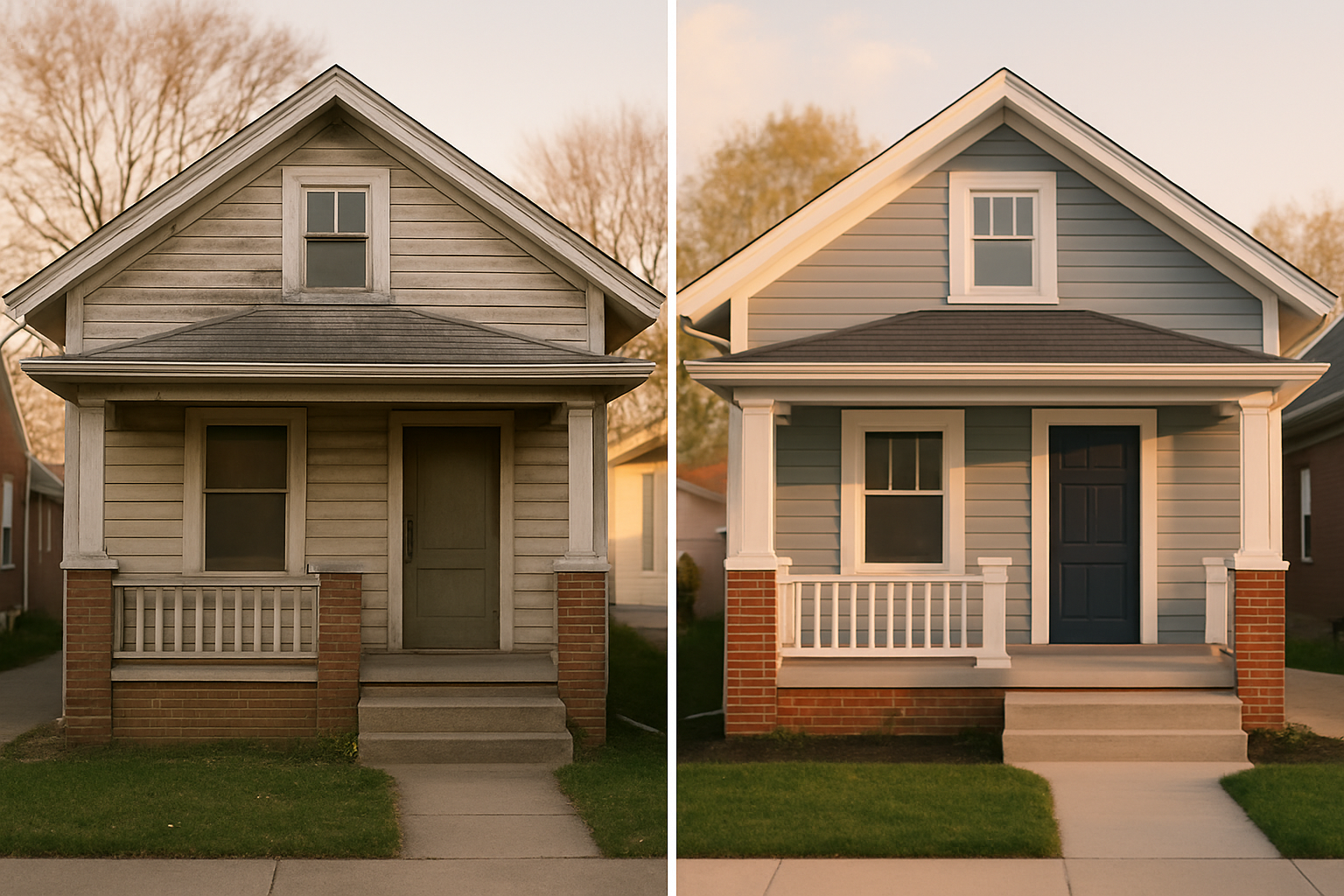
- Welcome series for new inquiries: Two or three emails that introduce your company, show off a recent project (before/after photos of a Broad Ripple kitchen remodel, anyone?), and let them know what to expect next.
- Estimate follow-up: Two days after you send a quote, an email that says, “Hey, just checking if you have any questions about that estimate. Happy to hop on a quick call.” It's simple but keeps you top of mind.
- Post-service review request: A day or two after the job is done, send a friendly email with a direct link to your Google Business Profile and ask for a review. (We've got a whole guide on how to ask for reviews without being awkward.)
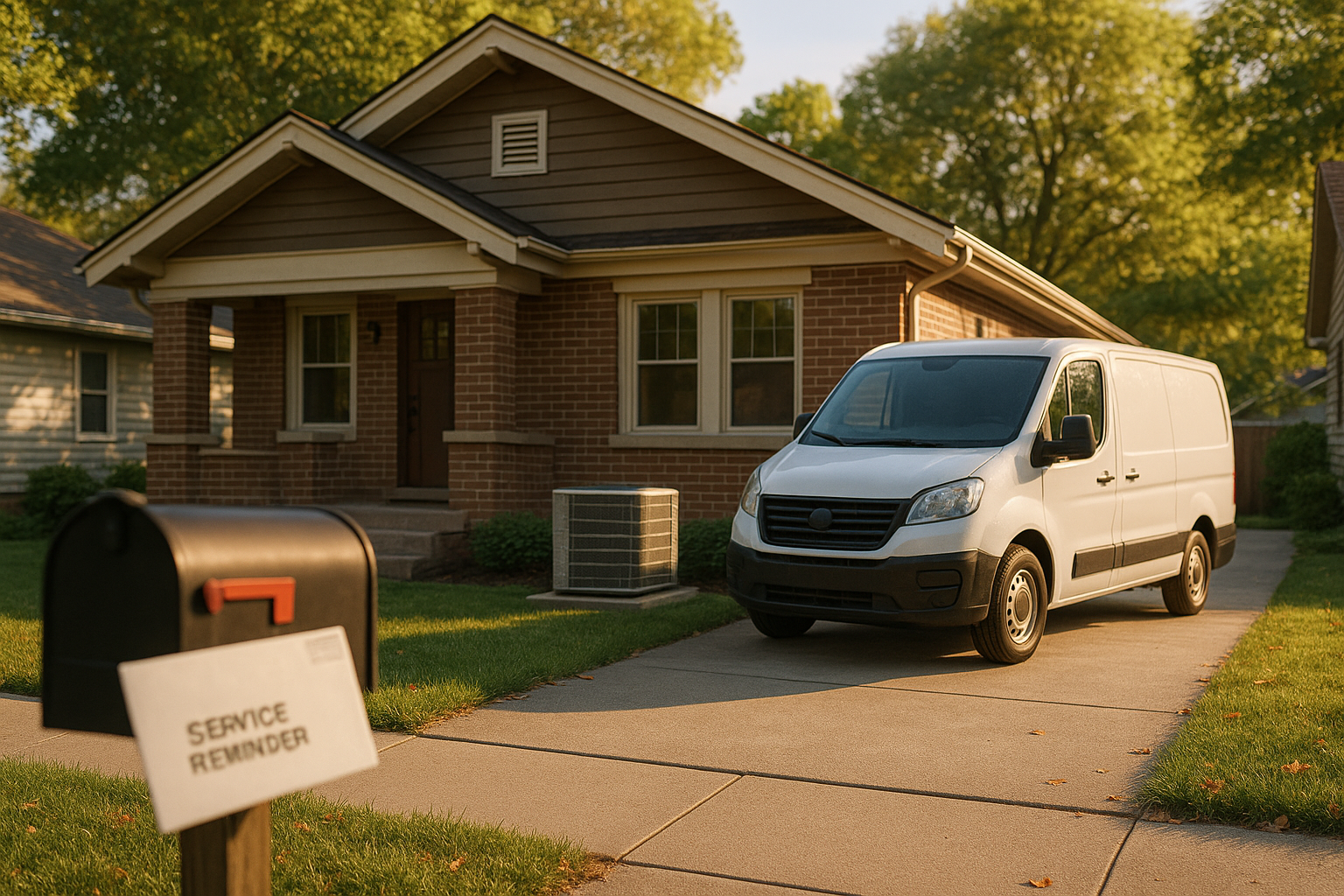
- Service reminder emails: These are pure gold. Pre-summer AC tune-up (April–May), furnace check (September), gutter cleaning after leaf fall (late October), spring lawn aeration—you know the seasonal cycles around Indy. Automate them so they fire off a couple weeks before the weather shifts. (Need help picking the right tools? Check out our post on automation tools that save time for small businesses.)
- Win-back campaign: For folks who haven't booked anything in 12–18 months. A simple “We miss you—here's 10% off your next service” can reactivate a surprising number.
These run in the background, nudging people along without you lifting a finger once they're set up.
Write subject lines that actually get opened
You can have the best email in the world, but if the subject line stinks, it's toast. For contractors, keep it short, punchy, and local. Try something like:
- “Your AC ready for that 90°F week, Indy?”
- “Three signs your sump pump might quit this spring.”
- “Those big maples in Meridian-Kessler? You'll want to read this.”
See the pattern? A benefit plus a local cue. Test two or three versions to see what your list responds to—most email platforms make this easy. For more content ideas for your emails, we've got a post on content marketing for local service businesses.
Oh, and deliverability. That's the boring-but-critical part. If your emails land in spam or the Promotions tab, they're useless. Email deliverability best practices include:
- Send from your own domain (not a free Gmail address) with SPF, DKIM, and DMARC set up (your IT person or email provider can handle this).
- Keep images to a minimum. Too many pictures trigger spam filters and mess up load times. Mostly text works better.
- Avoid spammy words like “FREE” or “ACT NOW” in all caps.
- Clean your list regularly—remove hard bounces and people who never open.
And for the love of all things holy, make sure you've got permission. CAN-SPAM compliance tips are simple: include your physical business address in every email, and have an easy unsubscribe link. If someone opts out, honor it immediately. It's not just the law, it's common decency.
Know if it's working (hint: it's not just opens)
Open rates are nice, but what you really want to track is bookings. Which emails actually lead to someone picking up the phone or hitting “Schedule Now”? With a basic CRM (or even Google Sheets if you're scrappy), tag leads that come from email. Watch your estimate-to-job conversion rate from those emails. Even better, calculate revenue per send—if an email to 500 people generates $2,000 in booked work, that's a $4 return per recipient. Not bad for a few clicks.
Also keep an eye on list growth. Are you adding more people than are unsubscribing? That's the trend. For a deeper look at tracking ROI, we wrote about measuring ROI in digital marketing for small businesses.
A few objections I hear all the time
“Email is dead.” Nah, it's just underused. When done right, you're not spamming—you're reminding. Big difference.
“My list is too small.” Even 50 engaged subscribers is better than 5,000 who don't care. Start there.
“I don't have time.” Automate. Seriously, an hour setting up sequences saves you dozens of hours later.
“Won't people just delete it?” Only if it's boring or irrelevant. Give them maintenance tips, storm prep advice, or a killer before/after, and they'll open.
“I'm already on Facebook.” Facebook's great, but you don't own that audience. With email, you do. No algorithm changes can take away your list.
Ready to make email work for your Indy service business?
Setting up email marketing for local service business doesn't have to be a monster project. You just need a plan that fits Indianapolis seasons, your crew, and the way you actually do business. At SmallOP, we help home service companies around Indy map out a simple, 30-minute email strategy and build the starter automations so you're not staring at a blank screen. If you'd like that kind of done-with-you help, grab a time on our calendar. No jargon, no pressure—just a practical game plan.
Ready to talk about your project?
Free consultation, 3D rendering, and a written quote — no pressure.