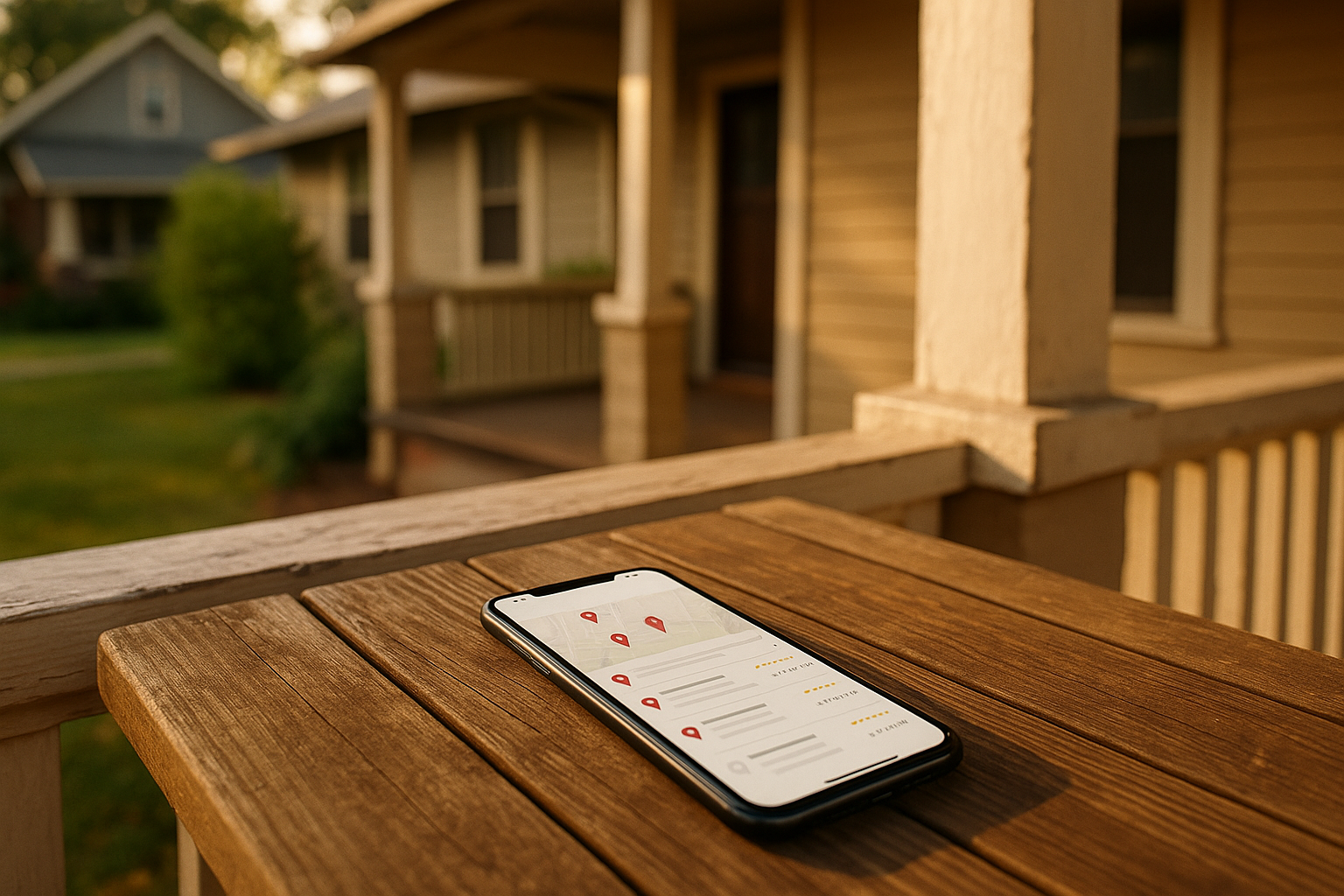
When Jake took over his dad’s plumbing business in Broad Ripple, he thought the phone would keep ringing like it did in the ’90s. But by last spring, he was lucky to get two calls a day. The reason? A big franchise with a recognizable name had flooded Google Maps, showing up for every plumbing search from Carmel to Greenwood. Jake was buried on page two—and honestly, he felt like quitting. Then his wife, who runs ops, sat him down and said, “We’re not out of the game. We just need a plan.” And that plan is exactly what we’re going to break down here. Because in 90 days, Jake’s little company didn’t just catch up—it outranked that franchise for half the searches that mattered. No huge ad spend. No shady tricks. Just smart, consistent work that any small service business in Indianapolis can copy.
Why Most Small Shops Lose the Maps Game (And It’s Not Your Fault)
Google decides who shows up in that map pack based on three things: relevance, distance, and prominence. You can’t do much about distance—if you’re working out of a home office in Speedway, you’re just not going to pop up first for someone searching in Fishers. But you can absolutely influence relevance and prominence, and that’s where most small shops slip up. They don’t fill out their Google Business Profile all the way, they pick the wrong category, or they ignore reviews. Over time, the bigger names—with their deeper pockets and branding—start to dominate. But here’s the thing: Google’s algorithm loves a local business that actually proves it’s active, helpful, and, well, local. So if you’re just north of 465 and your target customers are in Meridian-Kessler or Irvington, you can still win if you give the algorithm exactly what it wants.
The Simple Fixes That Put Jake on the Map (Literally)
The first thing we tackled was Jake’s Google Business Profile category. He had it set to “Plumber,” which is fine, but changing the primary to “Plumber” was actually the right move—it’s specific. Some folks pick something broad like “Plumbing repair” and miss the mark. We added a couple of secondary categories, like “Drainage service” and “Water purification company,” but only ones that actually matched the work they did. No stuffing. Then we filled out every single field: services, description, hours (including holiday hours—Indy 500 week they often shift), attributes like “family-owned” and “online estimates.” We even made sure the phone number was a local 317 area code. Consistency matters, so we checked that the same name, address (hidden since it’s a home-based business), and phone number were identical on Yelp, Angi, and the local chamber of commerce. That NAP consistency sends a clear signal: this is a real business, not a lead-gen shell.
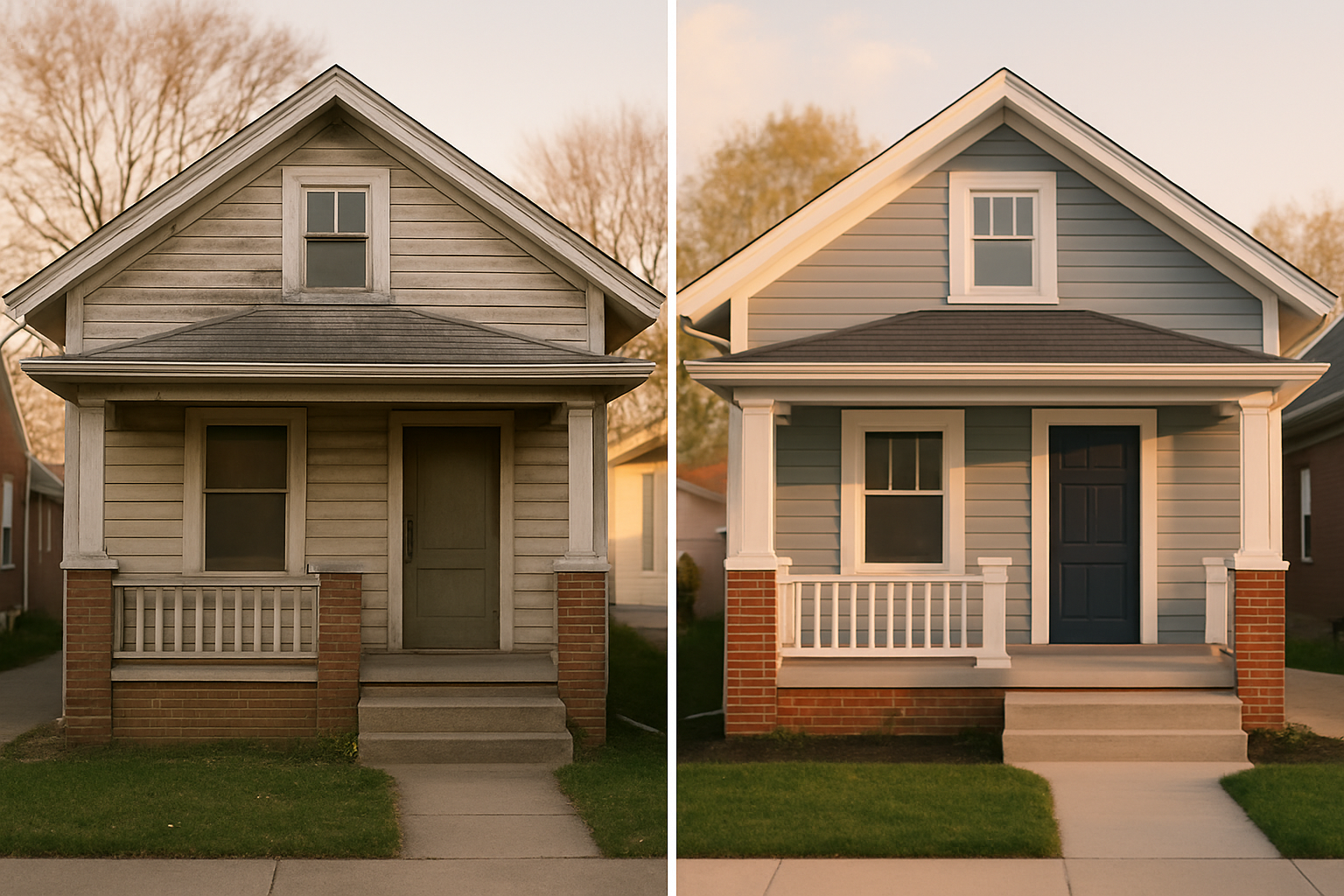
Photos were a game-changer. Jake’s crew started snapping original photos of every job—the red-brick bungalows in Fountain Square, the Craftsman-style homes in Irvington, the snow-covered lawns in Carmel. No stock images. We uploaded new photos every week, and suddenly the profile looked alive. Google notices that activity. And here’s a pro tip: high-quality, geo-relevant photos build trust with customers before they even call.
We also started using Google Posts. Every Friday, we’d publish a quick post—a seasonal tip (like frozen pipe warnings), a before-and-after shot of a recent job, or a link to a new service page on their website. This does two things: it sends fresh content to Google and it gives potential customers a reason to click. Jake even turned on GBP messaging, with his wife responding to simple questions instantly. That speed-to-lead? Huge.
The Not-So-Secret Weapon: Reviews
If there’s one thing that can tip the scales fast, it’s reviews. The franchise had hundreds, but many were months old. Google values freshness. So Jake made a simple rule: after every job, text a thank-you note with a direct link to leave a review. He wasn’t pushy—just “It helps folks in the neighborhood find us.” Within 60 days, they’d added 35 new reviews. Every single one got a personal response, addressing any issues offline first. That steady velocity told Google: this business is active and valued. And not just any reviews—photos in the reviews, specific mentions of “Broad Ripple plumber” or “fixed my garbage disposal in Meridian-Kessler.” Those keywords in reviews are like gold for local Google Maps ranking factors. If you’re struggling to get reviews, start with the simple ask—most happy customers just need a nudge.
Website and Local Authority: The Long Game
Jake’s website wasn’t fancy, but it did the job. We rebuilt his most important page to target “plumber in Broad Ripple” and matched it exactly to his GBP primary category. The page included an embedded Google Map with his CID link, clear service descriptions, and a big click-to-call button. We added UTM parameters to the website link in his GBP so we could track visits, and set up call tracking. Suddenly, he could prove that Maps was driving real revenue. That made it easier to reinvest in content—like a local content marketing plan that showcased projects in specific neighborhoods.
To build local authority, Jake got mentioned on a neighborhood association’s website (they sponsored a cleanup event in Irvington) and networked with a local supplier who linked back to them. A few mentions in IndyStar online archives didn’t hurt either. Those local backlinks are tough for a franchise to replicate at the neighborhood level. They signaled to Google that this business was woven into the community—not just another out-of-state chain.
From Zero to Ranked: The 90-Day Timeline and What to Expect
Here’s roughly how it played out: In the first 30 days, profile completeness and fresh photos pushed their listing into the top 5 for some hyper-local searches. By day 60, the review velocity and Google Posts kicked in—they were showing up in the top 3 for “plumber near me” in Broad Ripple and Meridian-Kessler. The franchise still ranked above them for broader terms like “Indianapolis plumber,” but for the neighborhoods that actually mattered, Jake was winning. By day 90, they were outranking the franchise for half their target keywords. It wasn’t magic—it was just giving Google what it wants: relevance, prominence, and local signals.
Now, a few things to keep in mind: - If you’re a service-area business, don’t overextend your radius. Claiming you service all of Marion County when you’re really only in Hamilton County confuses the algorithm. Stick to where you actually work. - Don’t ignore spam. If a competitor is keyword-stuffing their business name or using a fake address, report it. A cleaner map benefits everyone. - Measure everything. Use GBP Insights, UTM codes, and call logs to see what’s working.
If you’re ready to stop playing defense and actually outrank the big guys, let’s map out a plan. We’ll look at your current profile, your competitors, and the neighborhoods you serve—from Fountain Square to Westfield—and figure out exactly where to start. No fluff, just a practical, Indianapolis-specific action plan. Book a free planning consult here.
Ready to talk about your project?
Free consultation, 3D rendering, and a written quote — no pressure.